Turks and Caicos is famous for powder-soft white sand, impossibly clear turquoise water and one of the world's great beaches, Grace Bay. Add a huge barrier reef, quiet out islands and a relaxed pace, and it's easy to see why so many travelers fall for it. Here's what to know before you go, whether you're planning a honeymoon, a family trip or a resort escape.
Key takeaways: Turks and Caicos is a British Overseas Territory southeast of The Bahamas. Most visitors fly into Providenciales (PLS) and stay on or near Grace Bay. The U.S. dollar is the official currency, you drive on the left, and you need a valid passport. Never pack ammunition, even a single stray bullet.
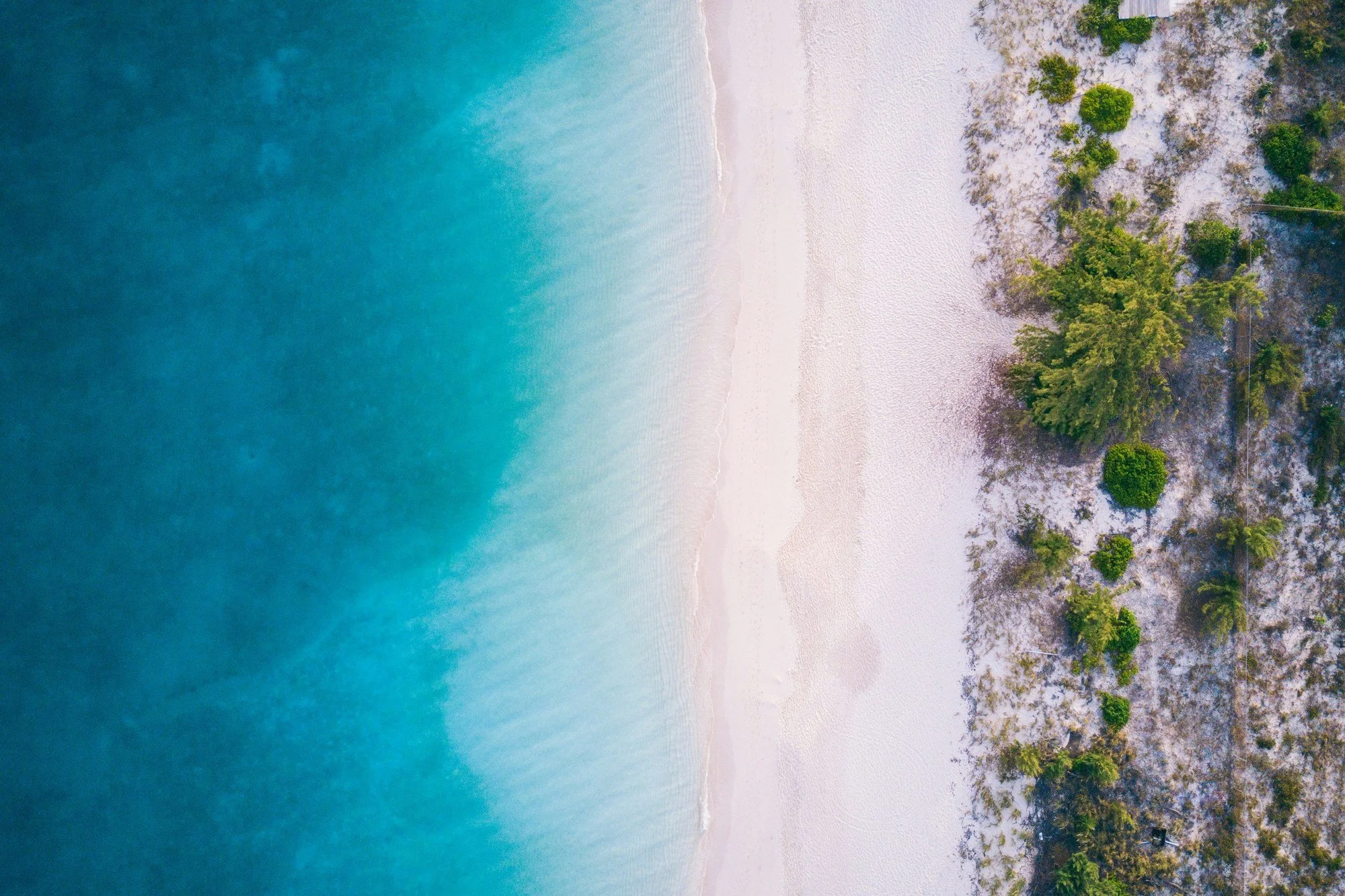
Where Is Turks and Caicos?
Turks and Caicos lies north of Hispaniola and southeast of The Bahamas. Technically, it's in the Atlantic Ocean, not the Caribbean Sea. The islands are part of the same chain as The Bahamas, known as the Lucayan Archipelago, but travelers and travel companies almost always group them with the Caribbean.
There are two island groups. The Caicos Islands include Providenciales, North, Middle, East, South and West Caicos. The Turks Islands include Grand Turk and Salt Cay. A deep ocean trench called the Turks Island Passage separates them, and the capital, Cockburn Town, is on Grand Turk.
Turks and Caicos at a Glance
- Best known for: Grace Bay, the barrier reef, diving and winter whale watching.
- Getting there: Providenciales International Airport (PLS), which most visitors fly into.
- Language: English is the official language.
- Money: the U.S. dollar is the official currency, and credit cards are widely accepted.
- Driving: on the left, with plenty of roundabouts.
- Power: 120 volts, the same plugs as in the U.S.
Weather and Trade Winds
Winters average about 75 to 80°F and summers about 85 to 90°F, with easterly trade winds keeping things comfortable. These are also the driest islands in the Bahamas chain, so sunny days are the norm.
Grace Bay
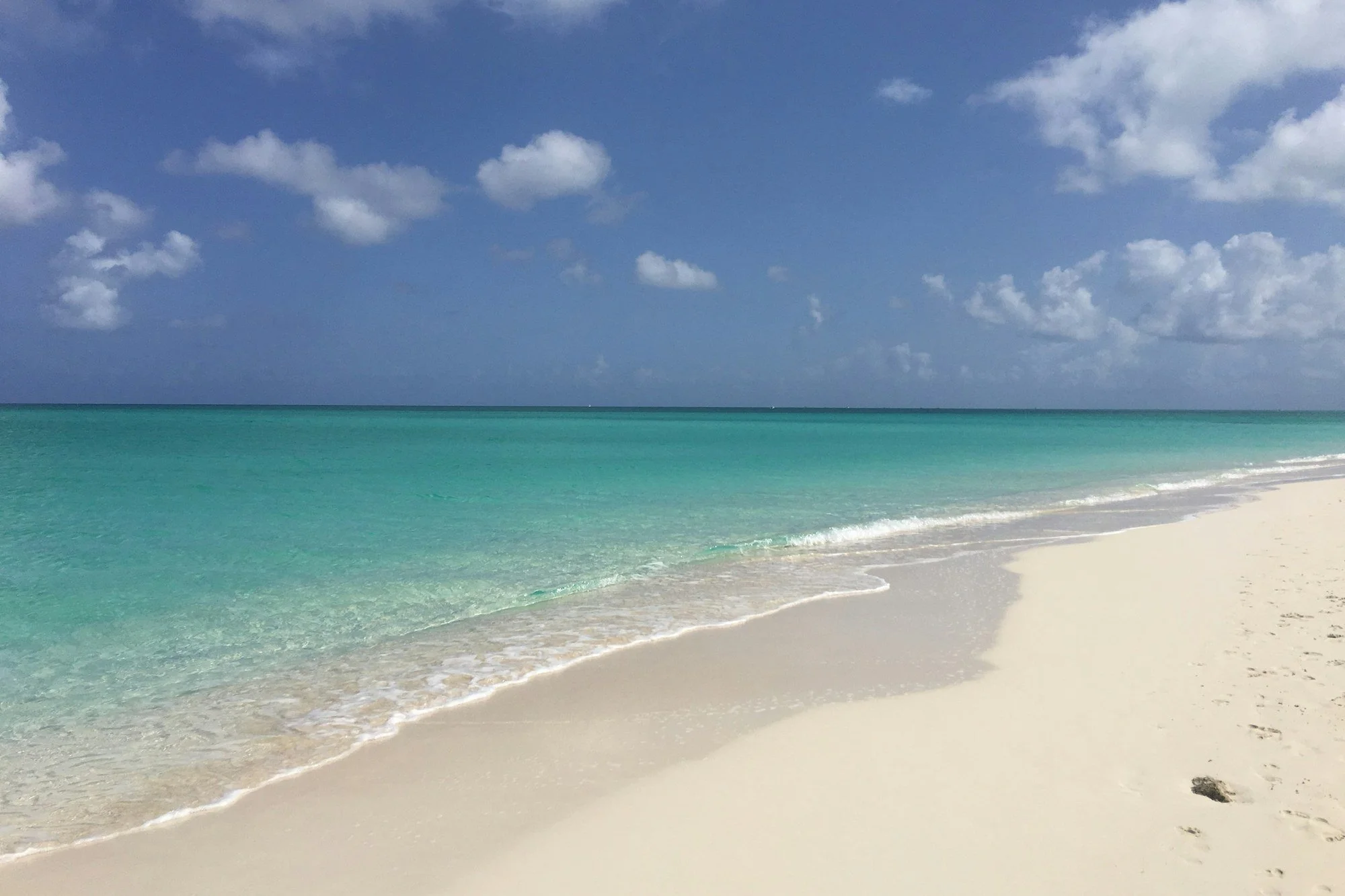
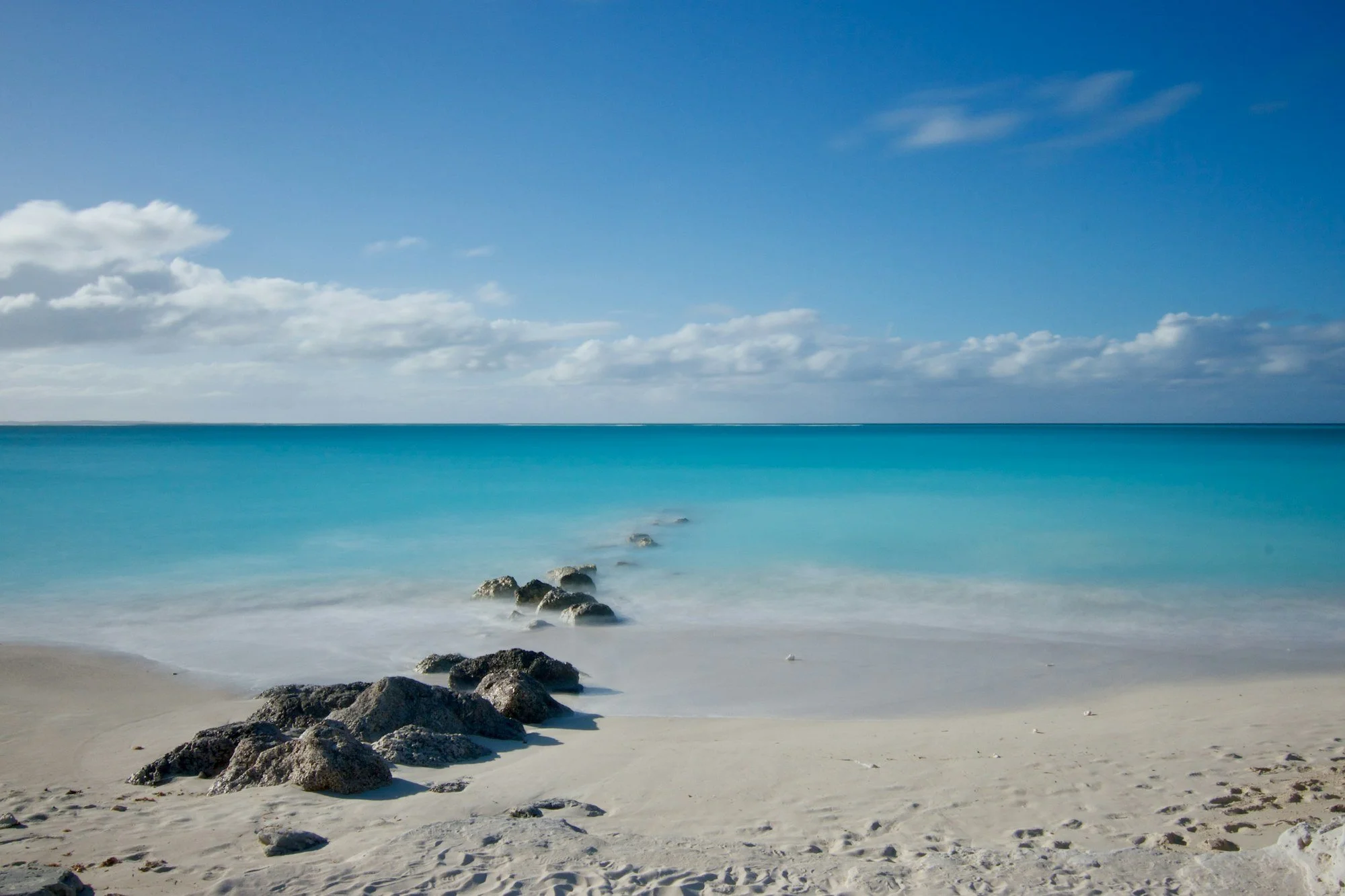
Grace Bay on Providenciales, or "Provo," is the beach most people picture: miles of soft white sand and calm, clear water. It's part of Princess Alexandra National Park, and most of Provo's resorts sit on or near it, so it's where most visitors stay. Public beach accesses are spread along its length.
Look for the white buoy lines that mark safe swimming areas in front of many resorts, and stay out of the boat lanes marked by red and green markers. Inside the national parks, it's illegal to take coral, sand, shells or wildlife. Keep an eye out for JoJo, a wild bottlenose dolphin who often visits Grace Bay and is an official National Treasure.
All-Inclusive Resorts in Turks and Caicos
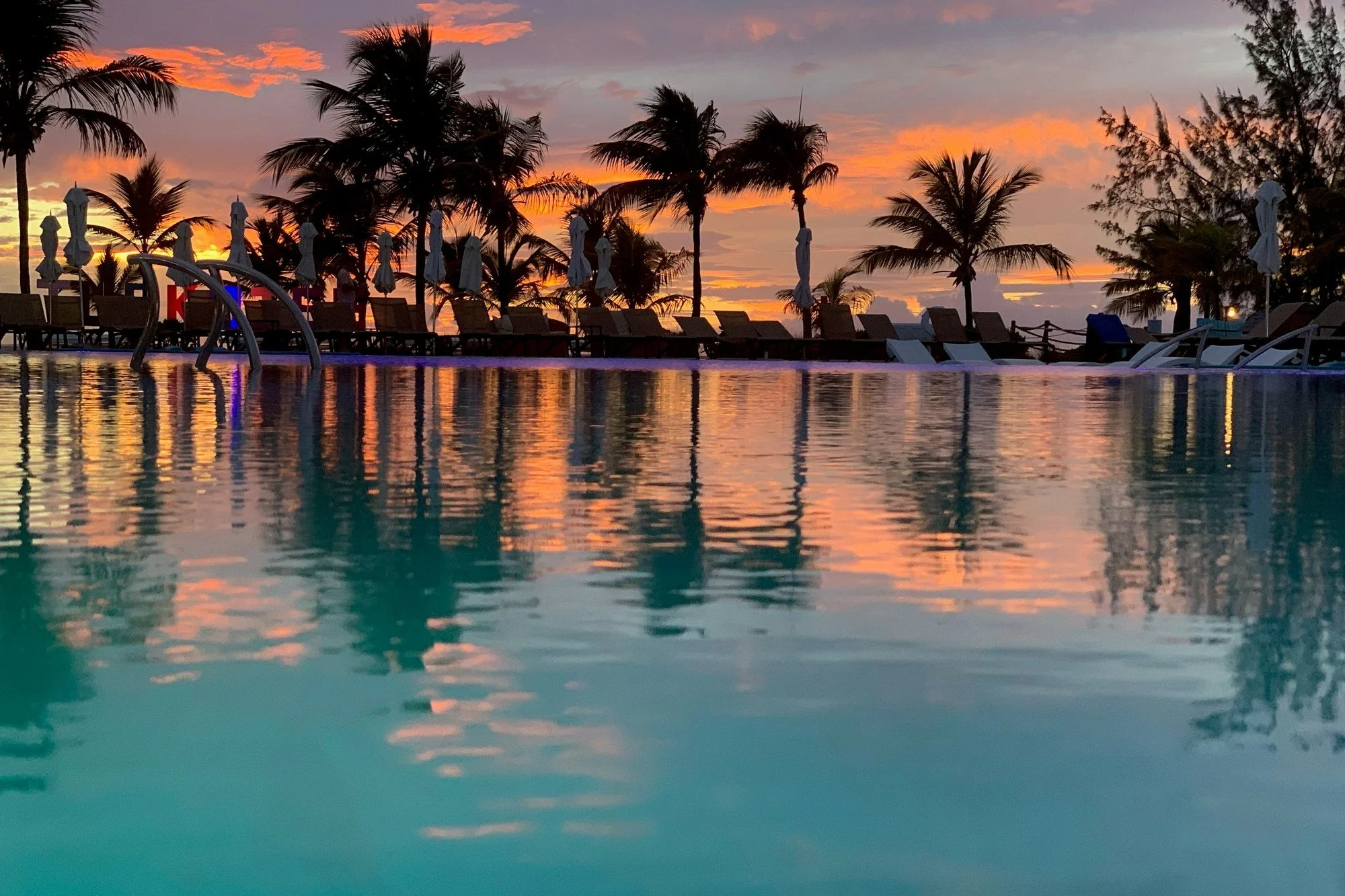
Turks and Caicos does have all-inclusive resorts, mostly on Provo, including big family-friendly ones. Here's the honest part: there aren't many of them. Many of Grace Bay's best-known places are luxury hotels, condo-style suites or private villas where meals aren't included, so inclusions vary a lot.
That's where a travel advisor helps. Ashley can compare resorts and explain what each plan really covers. Our Caribbean all-inclusive vacations guide explains what's usually included, and if you're weighing other islands, see our Aruba vacation guide, St. Lucia vacation guide and Riviera Maya vs. Cancún comparison.
Snorkeling and the Barrier Reef
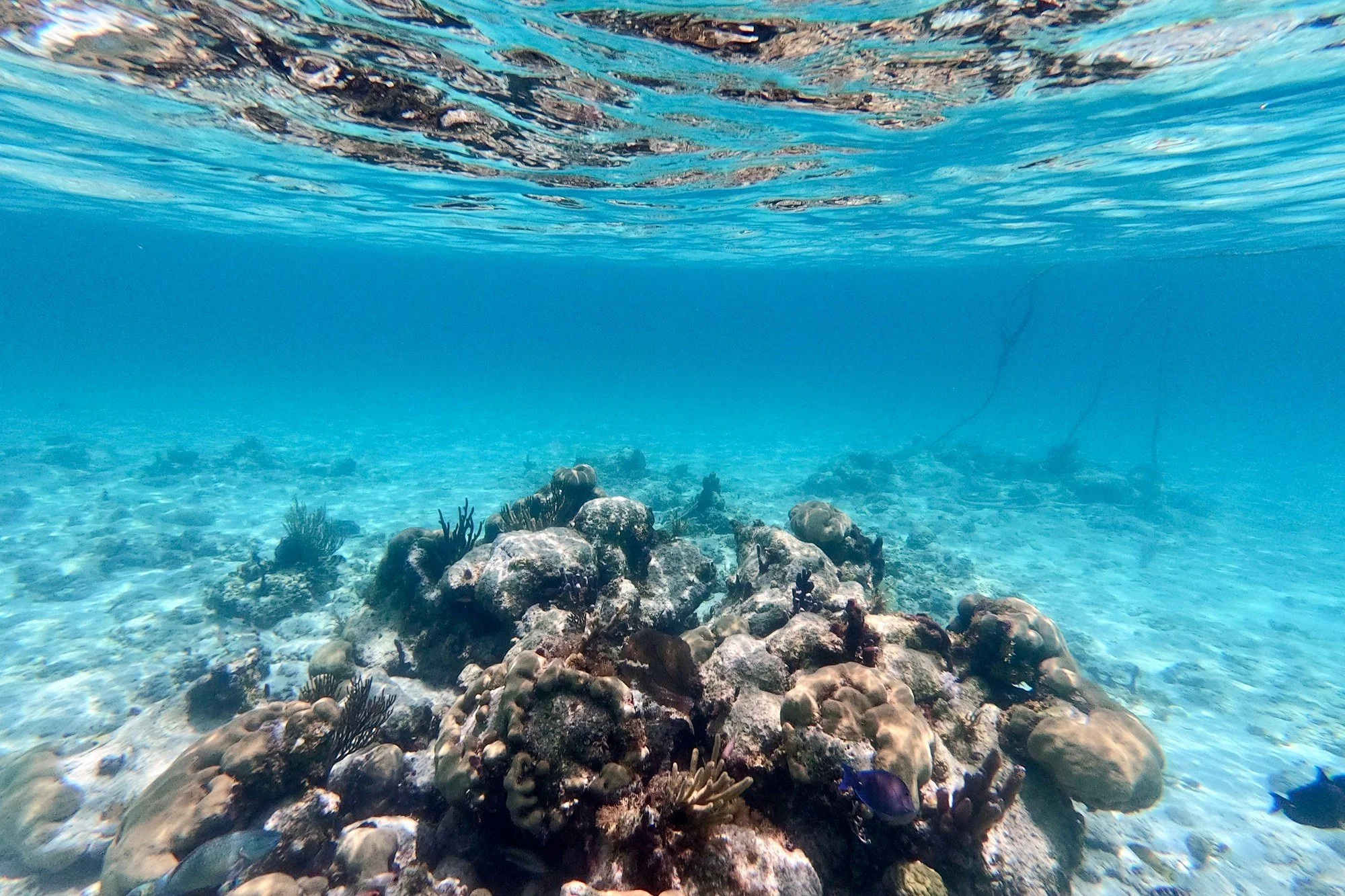
The tourism board calls the reef around the Caicos Islands the third-largest barrier reef on the planet, stretching about 340 miles. You can snorkel right from the beach at Bight Reef, also called Coral Gardens, at the western end of Grace Bay, and at Smith's Reef near Turtle Cove. Both are inside Princess Alexandra National Park. Boat trips reach the outer reef, and Little Water Cay, often called Iguana Island, is a short ride away.
Never stand on or touch coral, keep your fins up, and use biodegradable sunscreen when you can. Watch for boats, too.
Chalk Sound and Long Bay
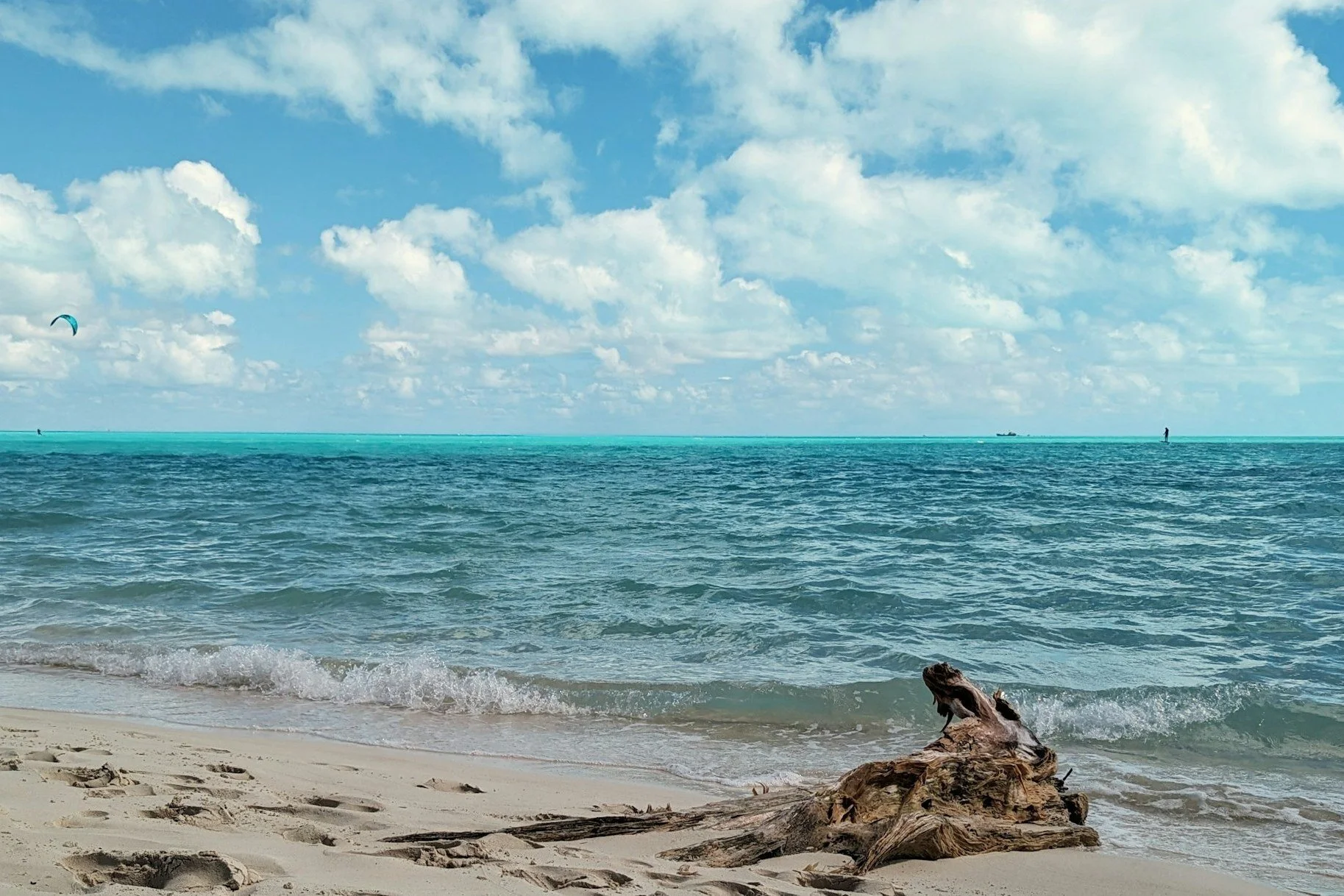
On Provo's southwest side, Chalk Sound National Park is a shallow, brilliant turquoise lagoon dotted with tiny rocky islets. It's best seen by kayak or paddleboard, and you may spot iguanas. Nearby Sapodilla Bay is a tranquil beach for a slow afternoon.
On the southeast coast, Long Bay Beach has shallow water and steady trade winds, which make it one of the island's top kiteboarding spots.
North and Middle Caicos
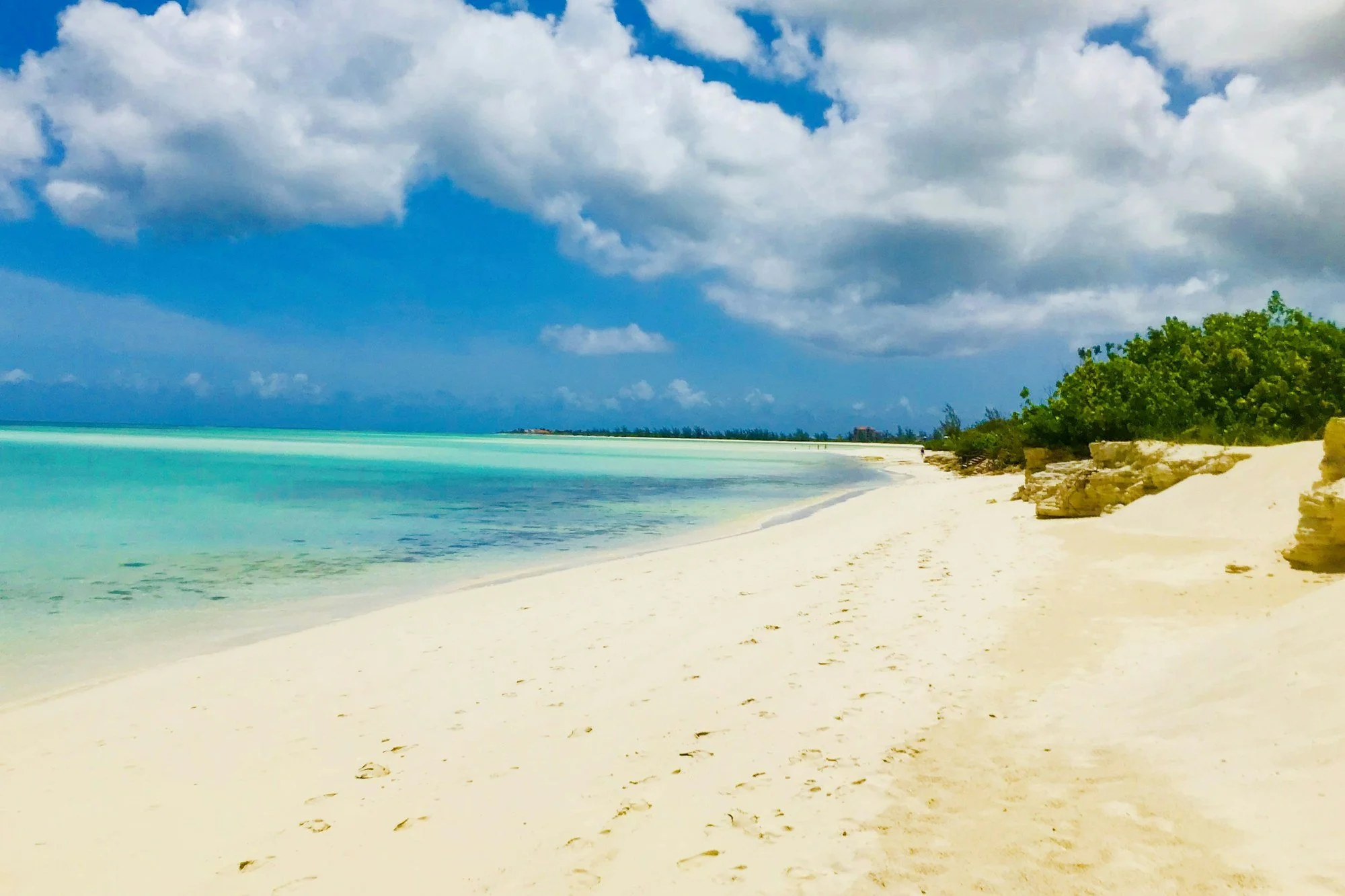
For a quieter day, take the ferry from Provo to North Caicos, known for flamingos, secluded beaches and the ruins of Wade's Green Plantation. A short drive away on Middle Caicos, you'll find the dramatic cliffs of Mudjin Harbour and the shallow sandbars of Bambarra Beach.
Middle Caicos is also home to Conch Bar Caves, a national park and one of the largest cave systems in the Caribbean, with about 1.5 miles of passages, tidal pools and bat colonies. People have used the caves since before Columbus, and the Turks and Caicos National Trust runs guided tours. A rental car or guide is a must on both islands.
Grand Turk and Cruise Visits
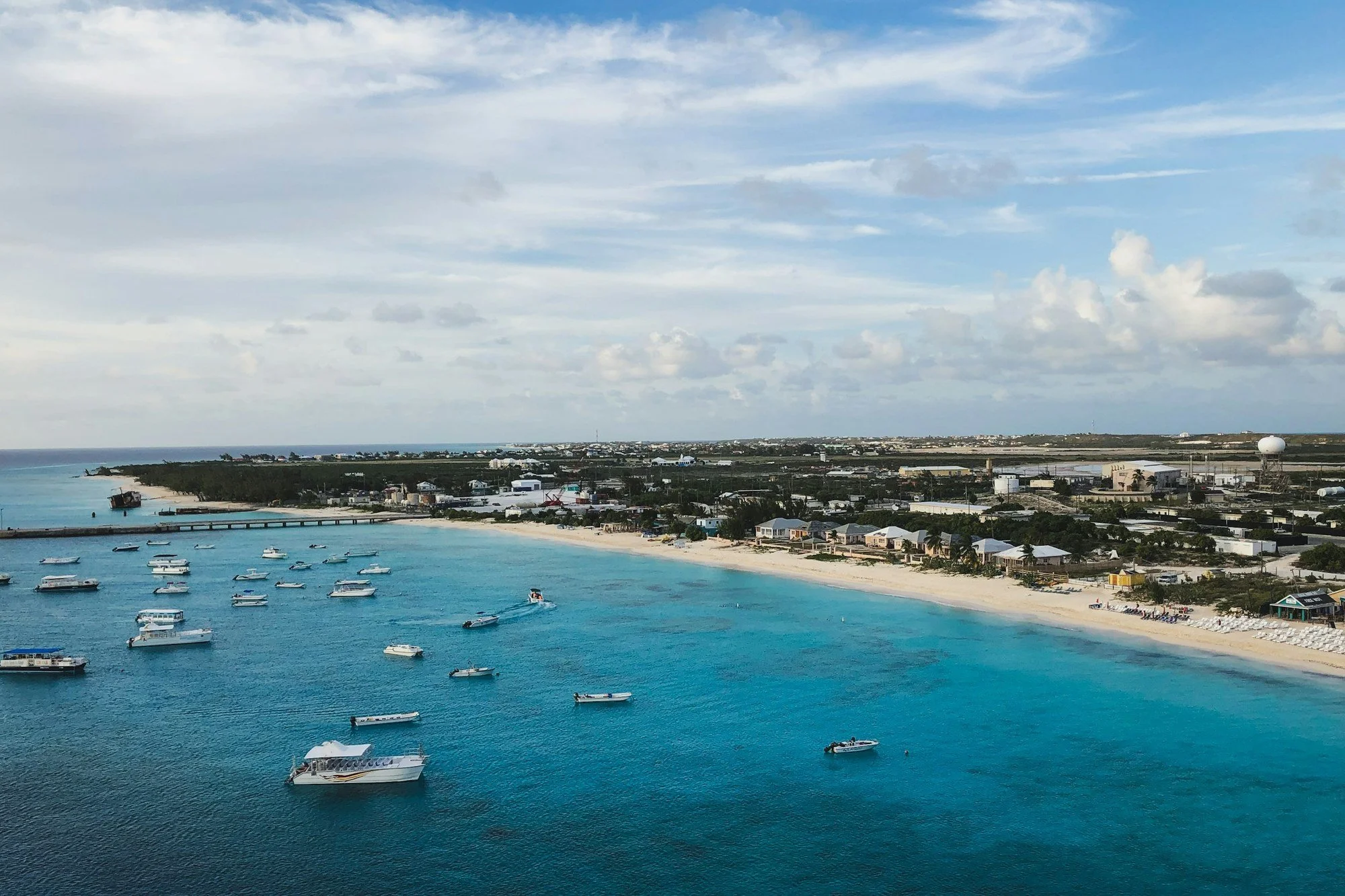
Grand Turk feels like another era, with pastel buildings in Cockburn Town, wild donkeys, a historic lighthouse and the Turks and Caicos National Museum. Governor's Beach is a favorite, and divers come for world-class wall dives, where the reef drops off into the deep Turks Island Passage.
Grand Turk is also a popular cruise stop with its own cruise center. If you're weighing a cruise against a resort stay, our family Caribbean cruises post covers Grand Turk and what visiting several islands in one trip is like.
Whale Watching
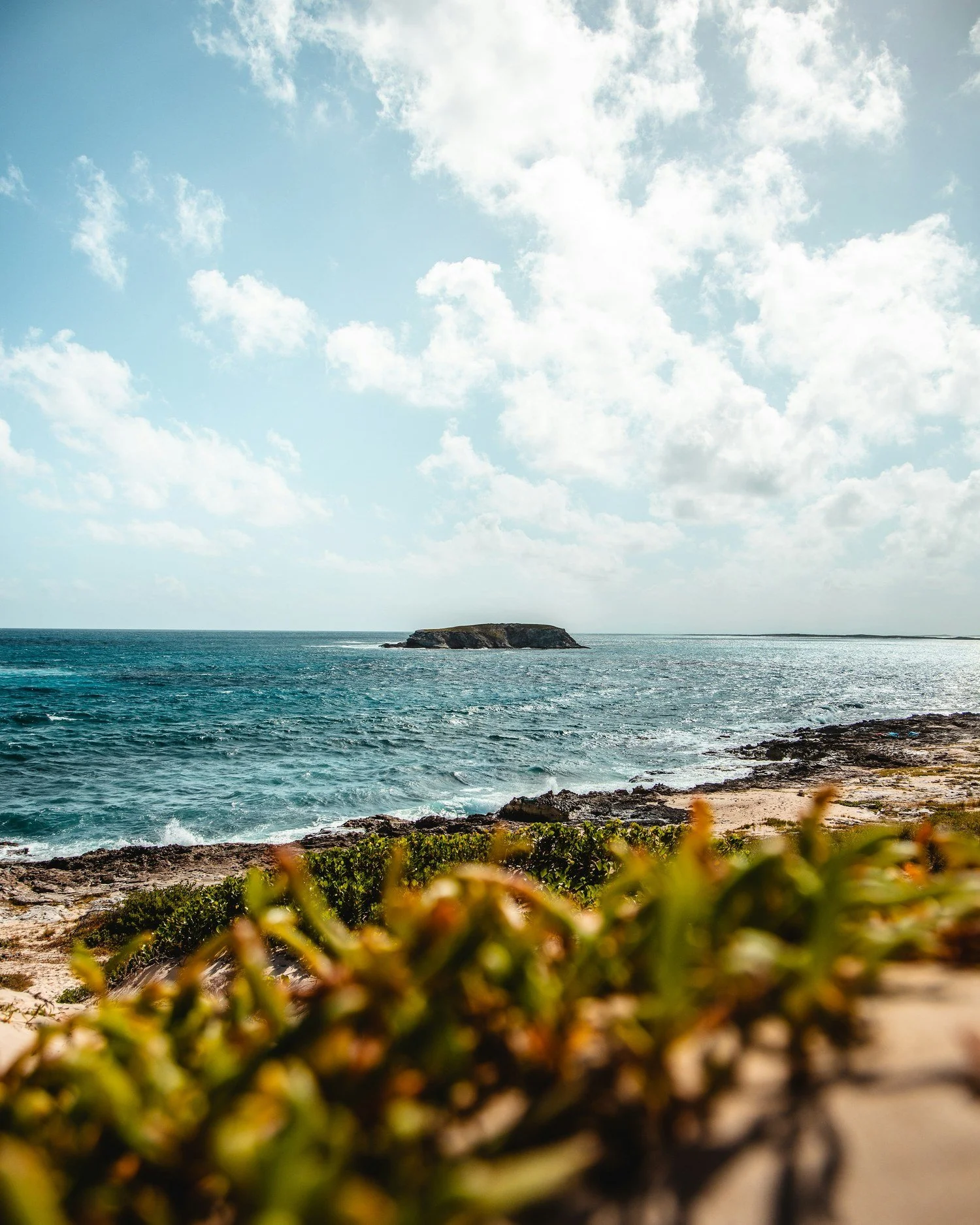
From January to March, humpback whales migrate past Grand Turk, Salt Cay and South Caicos, according to the tourism board. Guided boat tours give you the best chance to see one breach. Keep a respectful distance.
Turks and Caicos for Couples and Honeymoons
Quiet beaches, sunset dinners and private villas make Turks and Caicos easy to love for couples. Our Caribbean honeymoons guide has more ideas. Comparing romantic islands? Read about our Antigua honeymoon and anniversary trips and why Jamaica and Couples Resorts are our favorite escape.
Turks and Caicos for Families
Families will find calm, shallow water at Grace Bay and the Bight, easy beach snorkeling and family-friendly resorts. Prefer to skip the passport? Our St. John vacation guide covers a U.S. island. Our group and family vacations page explains how Ashley plans trips for families and groups of every size.
Getting There and Getting Around
Most international flights land at Providenciales International Airport (PLS). There's no U.S. preclearance in Turks and Caicos, so you'll clear U.S. Customs and Border Protection when you land back home.
There's no public bus system, but taxis and rental cars are easy to find on Provo. Remember to drive on the left. Short domestic flights and ferries connect the other islands.
When to Go
Turks and Caicos is warm and sunny all year. The tourism board says peak season runs from December to April, while summer and fall bring fewer crowds. The Atlantic hurricane season runs from June 1 to November 30, according to NOAA's National Hurricane Center, with most activity between mid-August and mid-October. Travel insurance is worth considering.
Travel Documents
U.S. citizens need a valid passport, and no visa is needed for tourist stays of up to 90 days. The islands' Border Force says U.S. passports must be valid for your whole stay, but the tourism board advises six months of validity, so having six months left is the safest choice. You may be asked to show a return or onward ticket, and you'll fill out an arrival immigration card.
Firearms and ammunition are strictly prohibited. The U.S. State Department warns that even a single bullet left in a bag by mistake can lead to arrest and jail, so check every bag before you pack. Always confirm current requirements with official sources before you travel.
Is Turks and Caicos Right for You?
Choose Turks and Caicos for world-class beaches, clear water and a relaxed, upscale feel. At Simply Travel by Ashley, Ashley Muhlenkamp can help you choose the right island and resort, and her planning services are completely free to you, with no hidden fees. Tell us about your trip to get started.
Turks and Caicos FAQ
Is Turks and Caicos in the Caribbean?
Technically, no. It's in the Atlantic Ocean, southeast of The Bahamas and north of Hispaniola. But it's almost always grouped with the Caribbean for travel.
Do U.S. citizens need a passport to visit Turks and Caicos?
Yes. A valid passport is required, and no visa is needed for tourist stays of up to 90 days. Having six months of validity left is the safest choice.
What currency is used in Turks and Caicos?
The U.S. dollar is the official currency, and credit cards are widely accepted.
Which side of the road do you drive on in Turks and Caicos?
You drive on the left, and roundabouts are common.
Are there all-inclusive resorts in Turks and Caicos?
Yes, mostly on Providenciales, including family-friendly options. There aren't many, though, and many hotels aren't all-inclusive.
Where is the best snorkeling in Turks and Caicos?
Bight Reef, also called Coral Gardens, and Smith's Reef are easy to reach from the beach on Providenciales. Boat trips go out to the barrier reef.
When is whale watching season in Turks and Caicos?
The tourism board says the prime season is January to March, when humpback whales pass Grand Turk, Salt Cay and South Caicos.
When is the best time to visit Turks and Caicos?
Peak season runs from December to April. Hurricane season runs from June 1 to November 30, with most activity from mid-August to mid-October.
Let's Plan Your Turks and Caicos Vacation
Ready for Grace Bay's turquoise water? Fill out the "Let's Plan Your Vacation!" form on our homepage, call (419) 852-4445, or email simplytravelbyashley@gmail.com. Ashley's planning services are free, and she's available Monday through Friday, 9:00 AM to 4:00 PM Eastern.