St. John is the smallest of the three main U.S. Virgin Islands, and more than half of it is a national park. That means white-sand beaches, coral reefs you can snorkel right from shore, forest trails and historic ruins, all on an island where U.S. citizens don't need a passport when they arrive from the U.S. mainland. Here's what to know before you go, whether you're planning a honeymoon, a family trip or a stop on a Caribbean cruise.
Key takeaways: St. John has no airport, so you fly into St. Thomas and take a short ferry to Cruz Bay. Virgin Islands National Park covers more than half the island, and Trunk Bay has an underwater snorkel trail. U.S. citizens traveling directly from the U.S. mainland or Puerto Rico don't need a passport. The Atlantic hurricane season runs from June 1 to November 30.
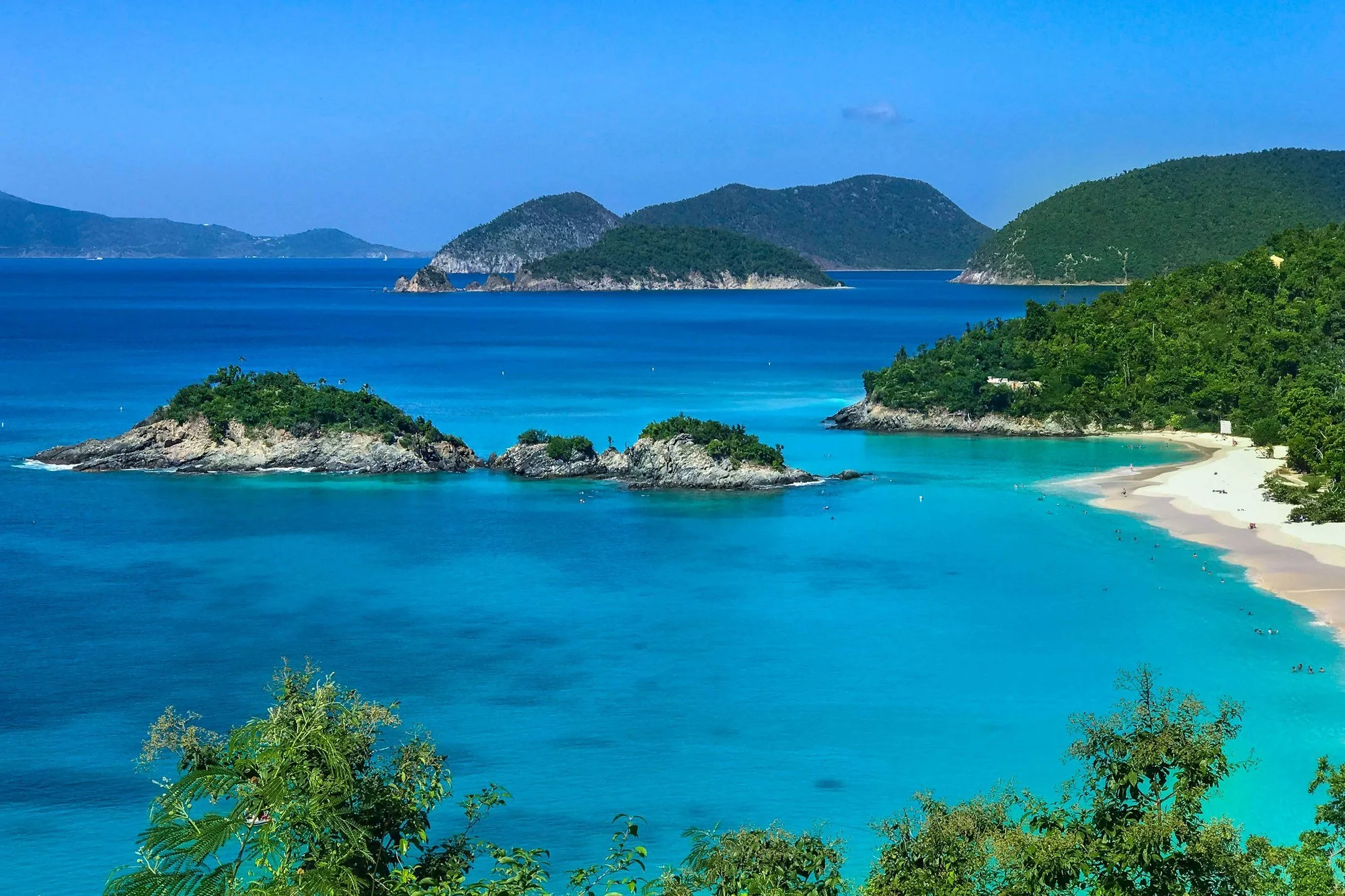
Where Is St. John?
St. John is a short ferry ride from St. Thomas in the eastern Caribbean. Along with St. Thomas and St. Croix, it's one of the three main islands of the U.S. Virgin Islands, a U.S. territory, with steep green hills, sheltered bays and a laid-back pace.
St. John at a Glance
- Best known for: Virgin Islands National Park, Trunk Bay and snorkeling with sea turtles.
- Getting there: fly into Cyril E. King Airport (STT) on St. Thomas, then take a ferry to Cruz Bay. St. John has no airport.
- Documents: no passport needed for U.S. citizens traveling directly from the U.S. mainland or Puerto Rico.
- Money and language: the U.S. dollar, and English is the official language.
- Driving: on the left.
- Time: Atlantic Standard Time all year. That matches U.S. Eastern time in summer and is one hour ahead of it in winter.
Virgin Islands National Park
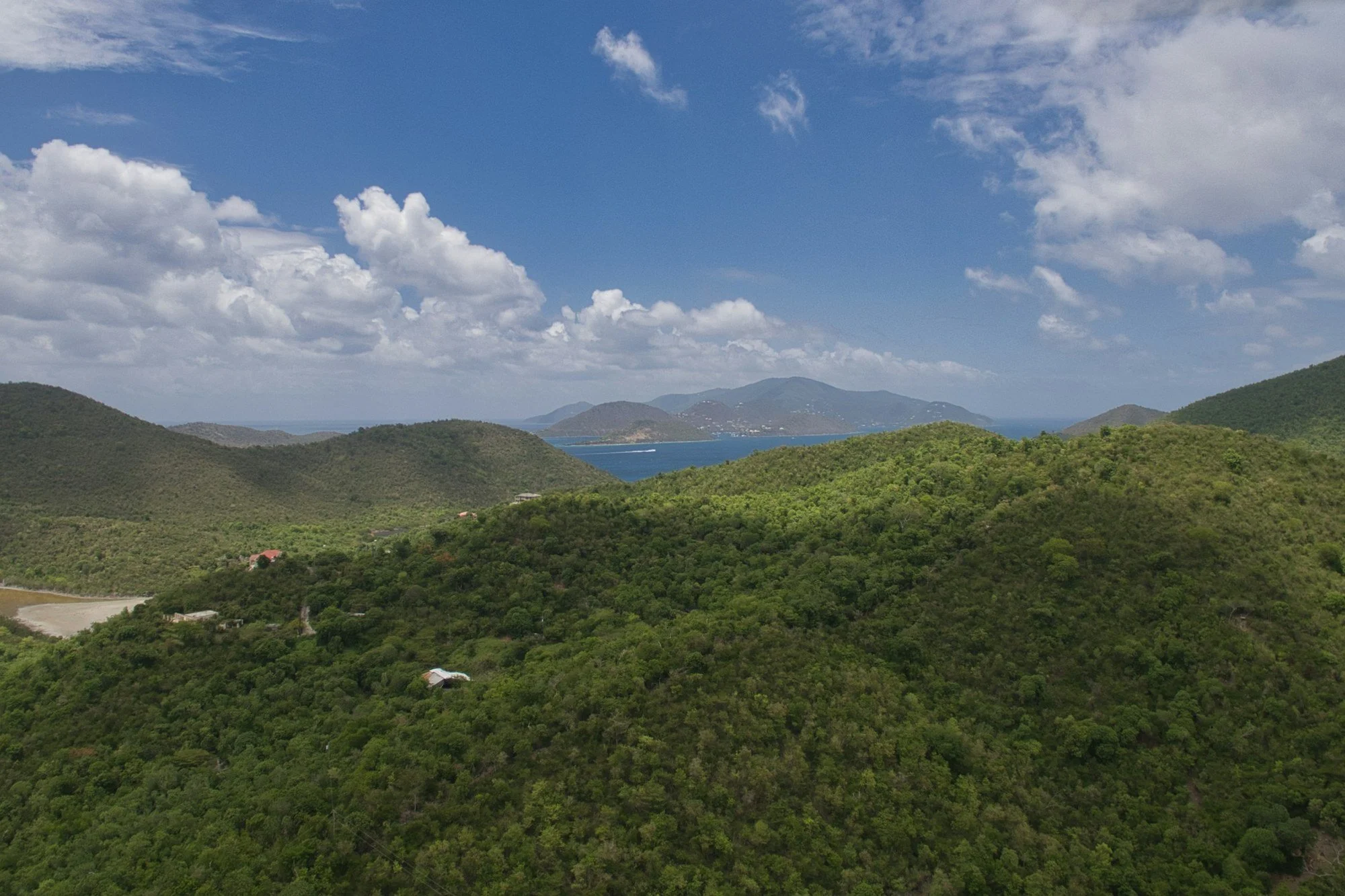
Virgin Islands National Park was established in 1956, after conservationist Laurance Rockefeller bought about 5,000 acres of St. John and donated the land to the federal government. Today the park covers more than half of the island, plus thousands of acres of protected water. It protects coral reefs, seagrass beds and some of the Caribbean's last native tropical dry forest.
Since 2001, the Virgin Islands Coral Reef National Monument has protected another 12,708 acres of submerged land around the island.
The National Park Service doesn't charge an entrance fee for the park. Trunk Bay is the one exception, with a day-use amenity fee for visitors 16 and older that covers its facilities.
Trunk Bay and the Underwater Snorkel Trail
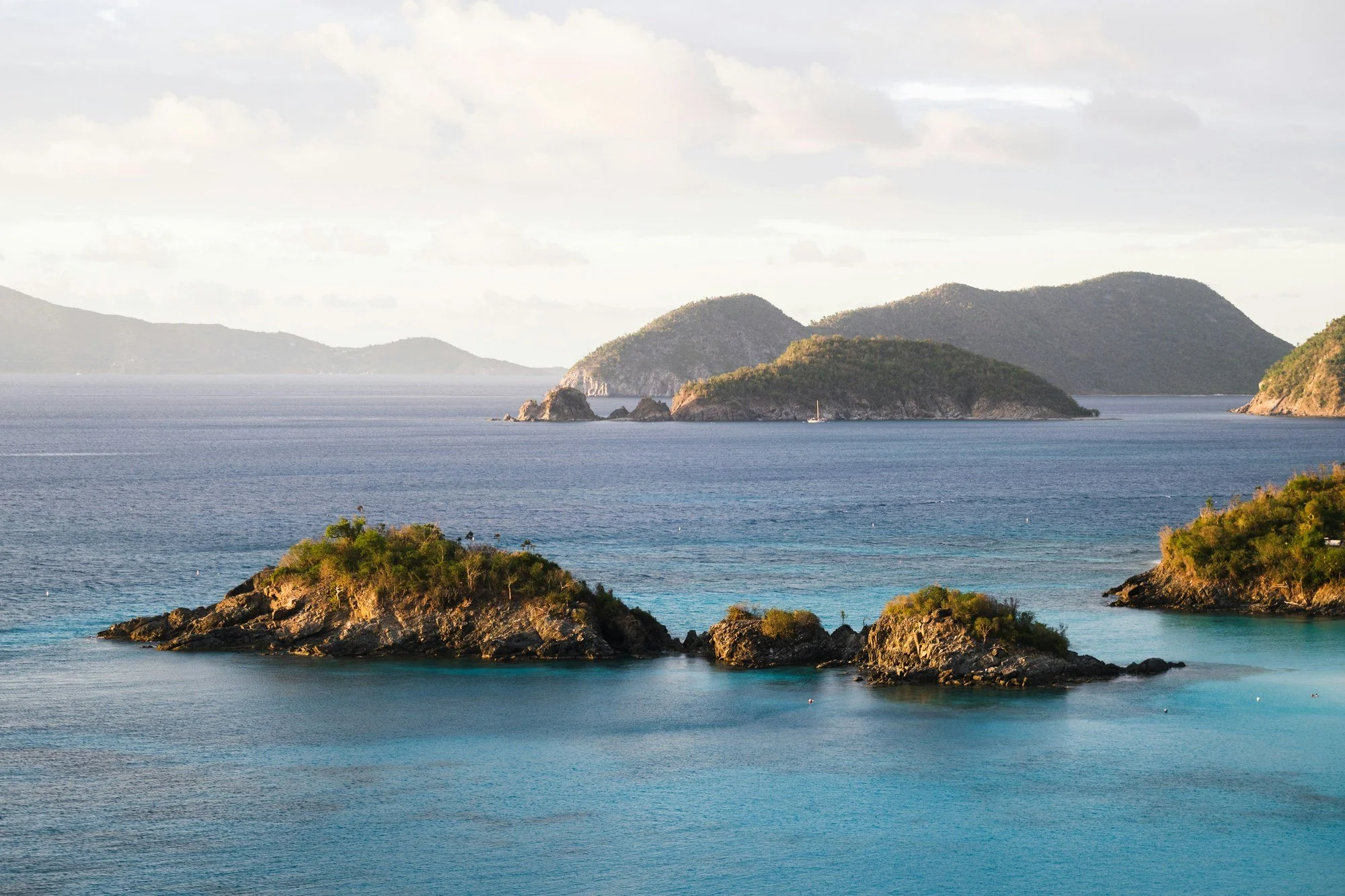
Trunk Bay is the park's most famous beach, and the National Park Service says it's often listed among the most beautiful beaches in the world. It has accessible paths and beach ramps, showers, food and snorkel gear rentals.
Just offshore, the Underwater Snorkel Trail follows the side of Trunk Bay Cay, with underwater signs about the reef and its residents. It's a great first snorkel for confident swimmers. Stand only on sand, never on coral.
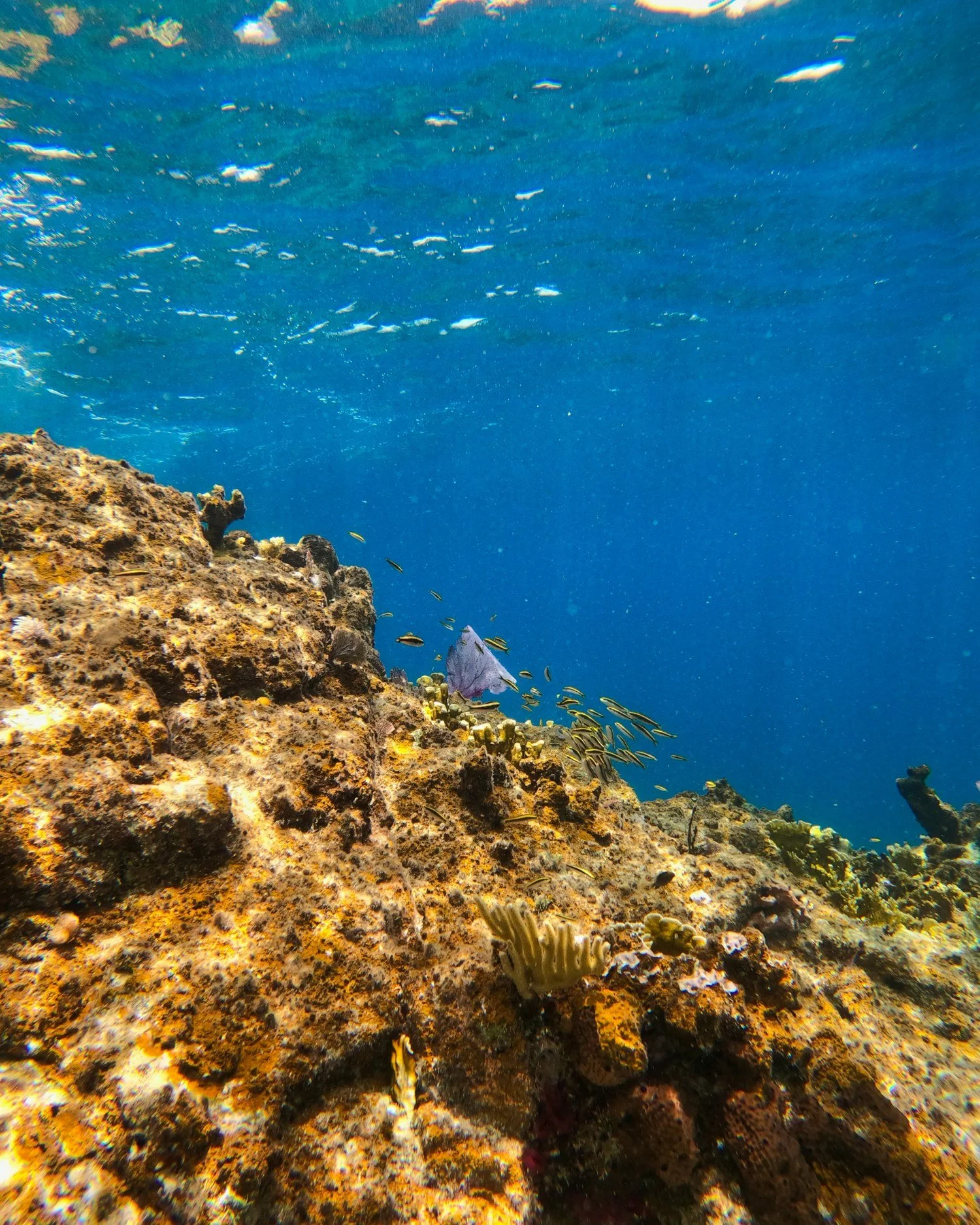
More than 40 percent of the park is underwater, and many of the best snorkeling spots can be reached straight from the beach. The U.S. Virgin Islands bans sunscreens with oxybenzone, octinoxate or octocrylene, so pack a mineral sunscreen or a rash guard, and don't touch coral or sea turtles.
More Beaches to Know
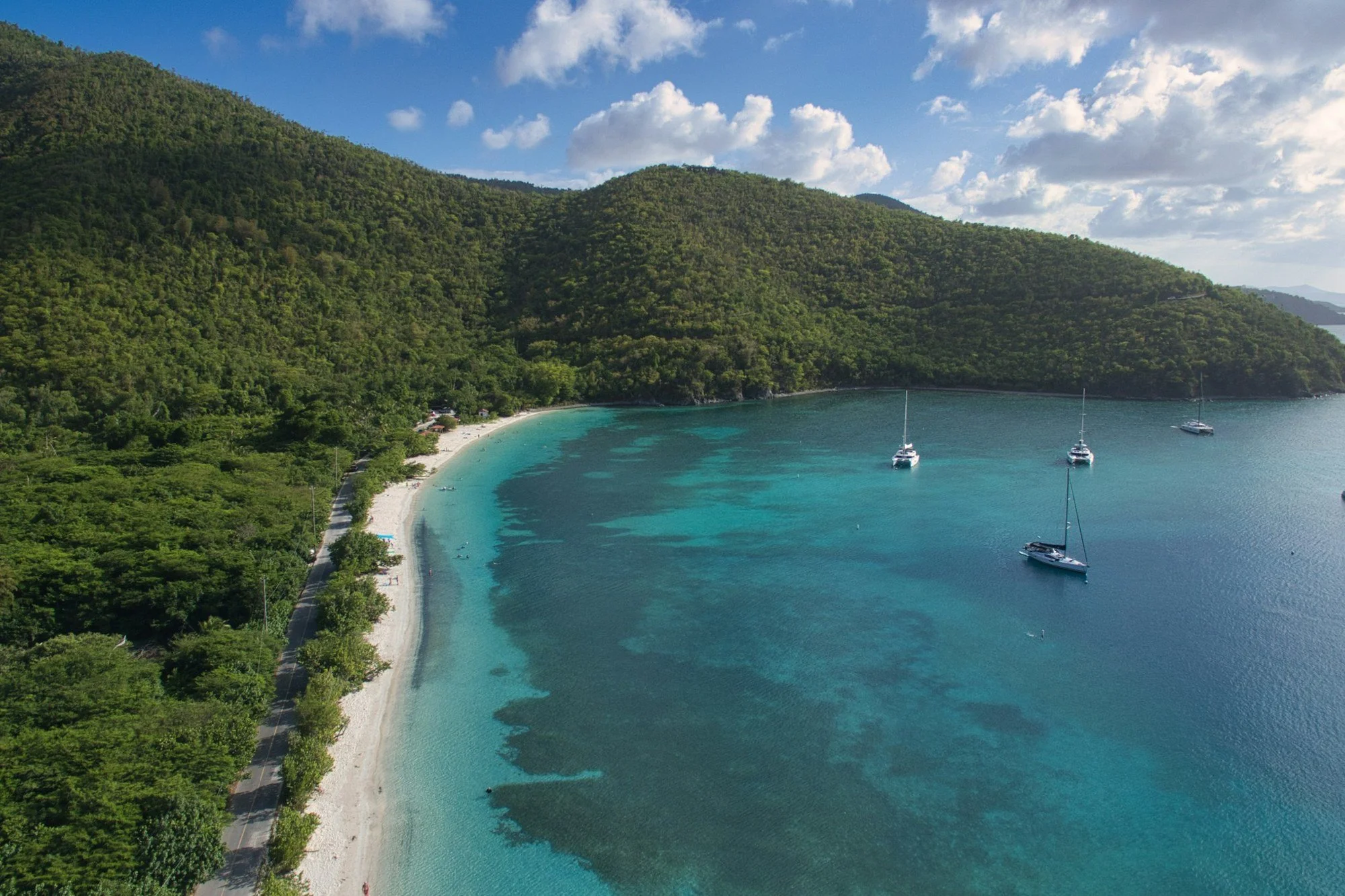
Several of the park's best-loved beaches sit along the north shore, a short drive or taxi ride from Cruz Bay:
- Honeymoon Beach and neighboring Salomon Beach can be reached by the Lind Point Trail from Cruz Bay or by boat, and corals grow off the rocky point between them.
- Maho Bay is the place for sea turtles. Green sea turtles graze its seagrass beds and are seen most often in the early morning or late afternoon.
- Francis Bay is ideal for beginner snorkelers, according to the park, with good bird-watching behind the beach.
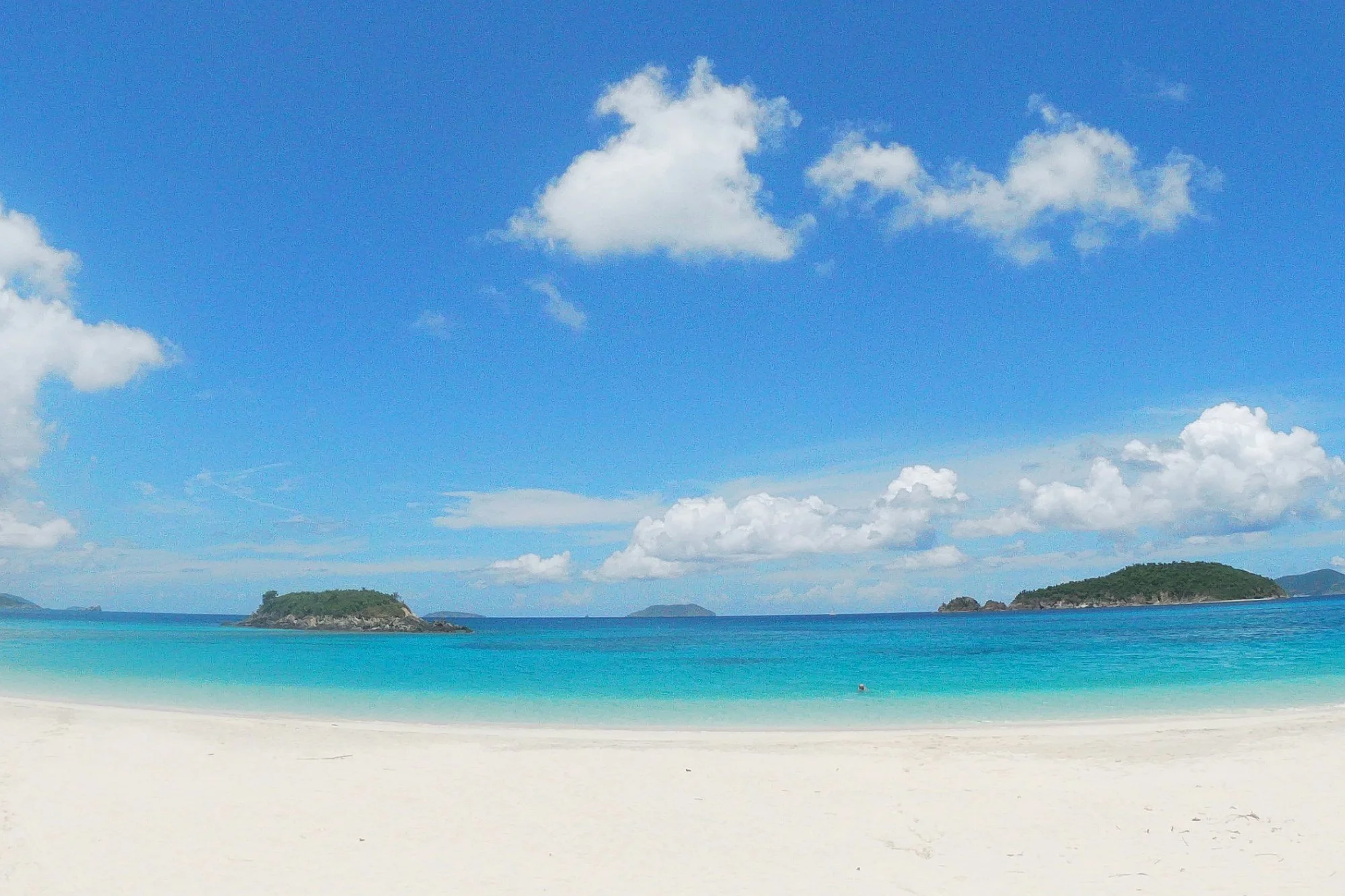
Cinnamon Bay is the longest beach on St. John. A small cay in the bay shelters fish, a watersports center rents gear, and a nearby Danish warehouse ruin is the island's oldest colonial ruin.
Salt Pond Bay, Hiking and History
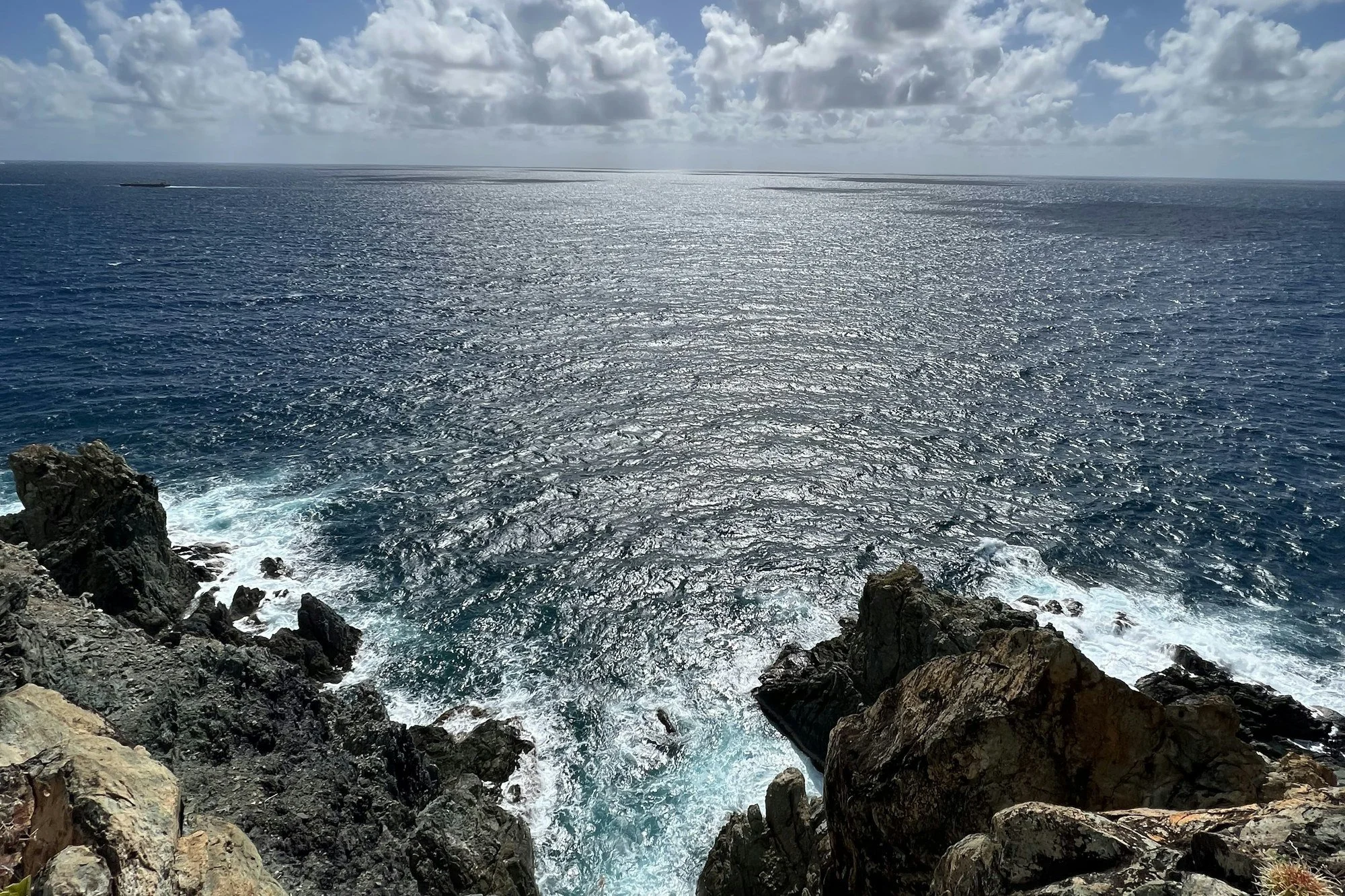
Salt Pond Bay is about a half-mile hike from its parking area, with a long white-sand beach and green sea turtles and southern stingrays in the seagrass. The nearby Ram Head Trail leads to sweeping views.
Annaberg Plantation was the island's largest sugar estate, where more than 600 enslaved people lived and worked at its peak. Its windmill and factory ruins still stand, and the Leinster Bay waterfront below, where many enslaved people escaped to nearby Tortola, is part of the National Underground Railroad Network to Freedom. The Reef Bay Trail winds about 3 miles through forest, past a side trail to ancient Taíno petroglyphs, to a sugar mill ruin.
Cruz Bay and Coral Bay
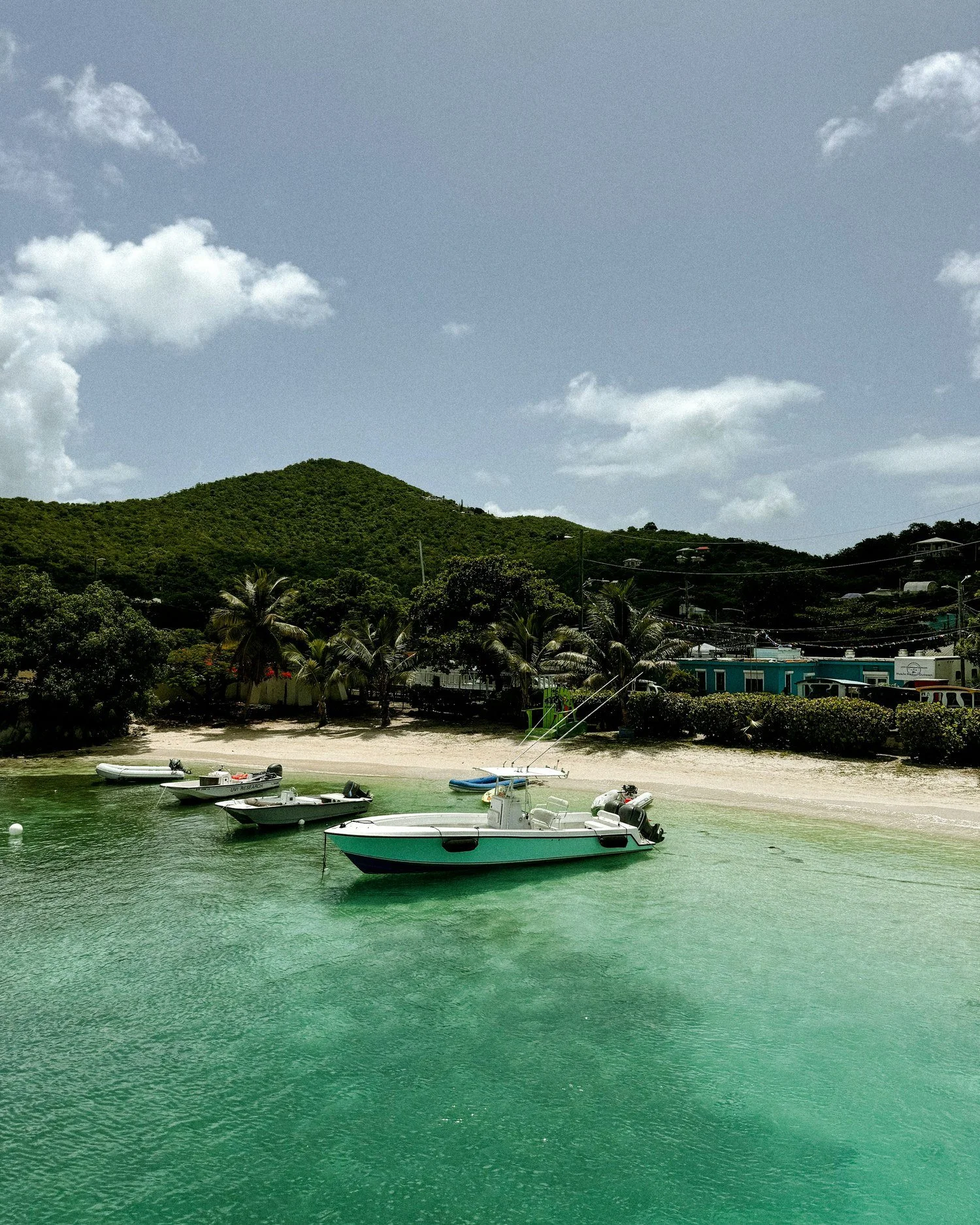
Cruz Bay is St. John's main town and where all the ferries arrive. The park's Visitor Center is an easy walk from the ferry terminal, and the waterfront has boutique hotels near beach bars and local restaurants. Quieter Coral Bay has tucked-away cottages with ocean views.
Where to Stay: Villas, Hotels and Camping
Here's an honest note: St. John isn't an all-inclusive island the way Jamaica or St. Lucia can be, and traditional all-inclusive resorts are rare there. Most visitors choose one of these:
- A villa or eco-lodge on the hillsides, with room for families and groups.
- A boutique hotel in Cruz Bay, close to the ferry, restaurants and the Visitor Center.
- Cinnamon Bay Beach and Campground, with eco-tents, tent sites and cottages inside the park.
- A resort on St. Thomas, with St. John as a day trip by ferry.
That's where a travel advisor helps. Ashley can compare options, match the stay to your group, and plan the ferries, transfers and rental car. If an all-inclusive is a must, see our Caribbean all-inclusive vacations guide, plus our St. Lucia vacation guide and Riviera Maya vs. Cancún comparison.
Visiting St. John on a Cruise
St. John has no cruise port. Most ships dock on St. Thomas, and St. John is usually offered as a shore excursion by ferry or boat. The USVI Department of Tourism says U.S. citizens on closed-loop cruises don't need a passport to visit. Our family Caribbean cruises post shows what visiting several islands in one trip is like.
St. John for Couples and Honeymoons
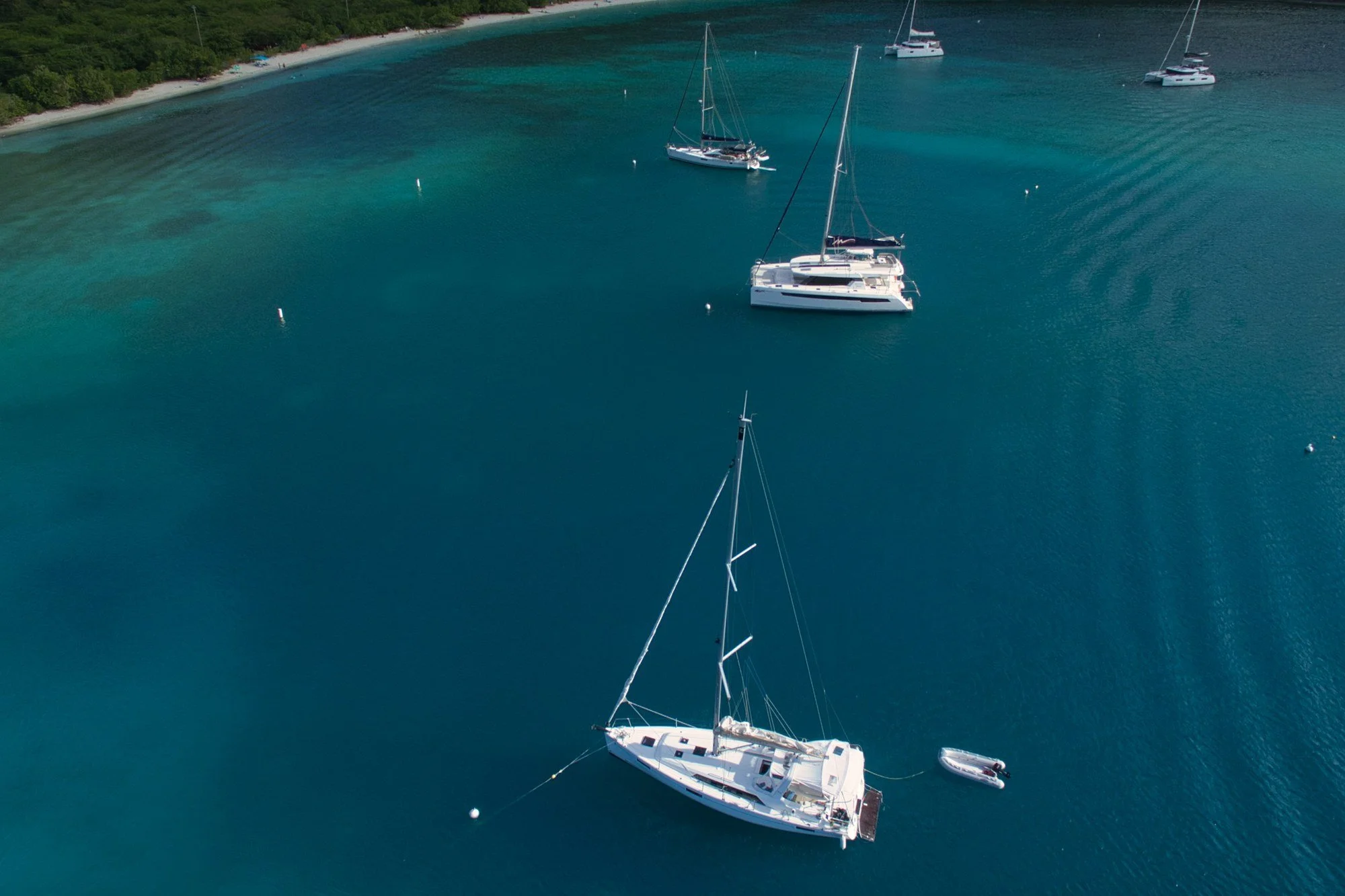
St. John suits couples who love the outdoors. Snorkel with turtles at Maho Bay, hike to a quiet beach, paddle a kayak at night, or watch the sunset from the Lind Point Overlook. Our Caribbean honeymoons guide has more ideas. Comparing romantic islands? Read about our Antigua honeymoon and anniversary trips and why Jamaica and Couples Resorts are our favorite escape.
St. John for Families
Families get beginner-friendly snorkeling at Francis Bay and Trunk Bay, plus short self-guided trails at the Annaberg and Cinnamon Bay sugar mill ruins and ranger-led programs. Not needing passports can make planning simpler, too. Our group and family vacations page explains how Ashley plans trips for families and groups of every size.
Getting There and Getting Around
There's no airport on St. John. Fly into Cyril E. King Airport (STT) on St. Thomas, then take a taxi to the Red Hook ferry terminal, about 30 minutes away. The passenger ferry from Red Hook to Cruz Bay takes about 20 minutes.
Many visitors rent a Jeep for St. John's winding roads, and a valid U.S. license is accepted. Remember to drive on the left. If you rent on St. Thomas and take the car barge, check first, since some rental companies don't allow it.
When to Go
St. John is a year-round destination. The USVI Department of Tourism gives average temperatures of about 77°F in winter and 82°F in summer. The Atlantic hurricane season runs from June 1 to November 30, according to NOAA's National Hurricane Center, with most activity between mid-August and mid-October. Consider travel insurance if you travel during those months.
Travel Documents
Because the U.S. Virgin Islands is a U.S. territory, U.S. Customs and Border Protection says U.S. citizens traveling directly between it and the U.S. mainland don't need a passport. Adults 18 and older still need a REAL ID-compliant license or another TSA-accepted ID to fly. Carrying proof of citizenship, such as a passport or birth certificate, speeds up CBP's inspection when you fly home. If you also visit the British Virgin Islands or another foreign country, you'll need a passport. Always confirm current requirements with official sources before you travel.
Is St. John Right for You?
Choose St. John for snorkeling, hiking and national park beaches, with the ease of U.S. travel. At Simply Travel by Ashley, Ashley Muhlenkamp can help you decide, and her planning services are completely free to you, with no hidden fees. Tell us about your trip to get started.
St. John FAQ
Do U.S. citizens need a passport to visit St. John?
No, if you travel directly from the U.S. mainland or Puerto Rico. The U.S. Virgin Islands is a U.S. territory, but adults need a REAL ID-compliant or other TSA-accepted ID to fly, and a passport if they also visit a foreign country.
How do you get to St. John?
Fly into Cyril E. King Airport (STT) on St. Thomas, take a taxi to Red Hook, and ride the ferry about 20 minutes to Cruz Bay. St. John has no airport.
Are there all-inclusive resorts on St. John?
Traditional all-inclusive resorts are rare on St. John. Most visitors stay in villas, boutique hotels or cottages, or stay on St. Thomas and visit by ferry.
What is Trunk Bay known for?
Trunk Bay is the park's most famous beach, known for its white sand and an underwater snorkel trail with signs.
Does Virgin Islands National Park charge an entrance fee?
No. The National Park Service doesn't charge an entrance fee for the park. Trunk Bay charges a day-use amenity fee for visitors 16 and older.
When is the best time to visit St. John?
St. John is a year-round destination, with average temperatures of about 77°F in winter and 82°F in summer, according to the USVI Department of Tourism.
When is hurricane season in St. John?
The Atlantic hurricane season runs from June 1 to November 30, according to NOAA's National Hurricane Center, with most activity between mid-August and mid-October.
Do you drive on the left in St. John?
Yes. Drivers keep to the left throughout the U.S. Virgin Islands, so take extra care at turns.
Let's Plan Your St. John Vacation
Ready to snorkel Trunk Bay for yourself? Fill out the "Let's Plan Your Vacation!" form on our homepage, call (419) 852-4445, or email simplytravelbyashley@gmail.com. Ashley's planning services are free, and she's available Monday through Friday, 9:00 AM to 4:00 PM Eastern.
Hello, World!