Our Florida Keys road trip took us from Miami all the way down the Overseas Highway to Key West, and then almost 70 miles farther out to sea to Dry Tortugas National Park. The photos in this post are our own. Along the way, we met a sea turtle at the Turtle Hospital, stopped at Robbie's and Rain Barrel in Islamorada, kayaked through the mangroves, posed at the Southernmost Point and explored Fort Jefferson on Garden Key. Here's our route, a little history and what to know before you go.
Key takeaways: The Overseas Highway carries U.S. 1 across 113 miles and 42 bridges from Key Largo to Key West. Islamorada, Marathon and Key West each make a great stop on the way down. Dry Tortugas National Park sits almost 70 miles west of Key West and can only be reached by boat or seaplane, so plan that day ahead.
A Gator in the Everglades
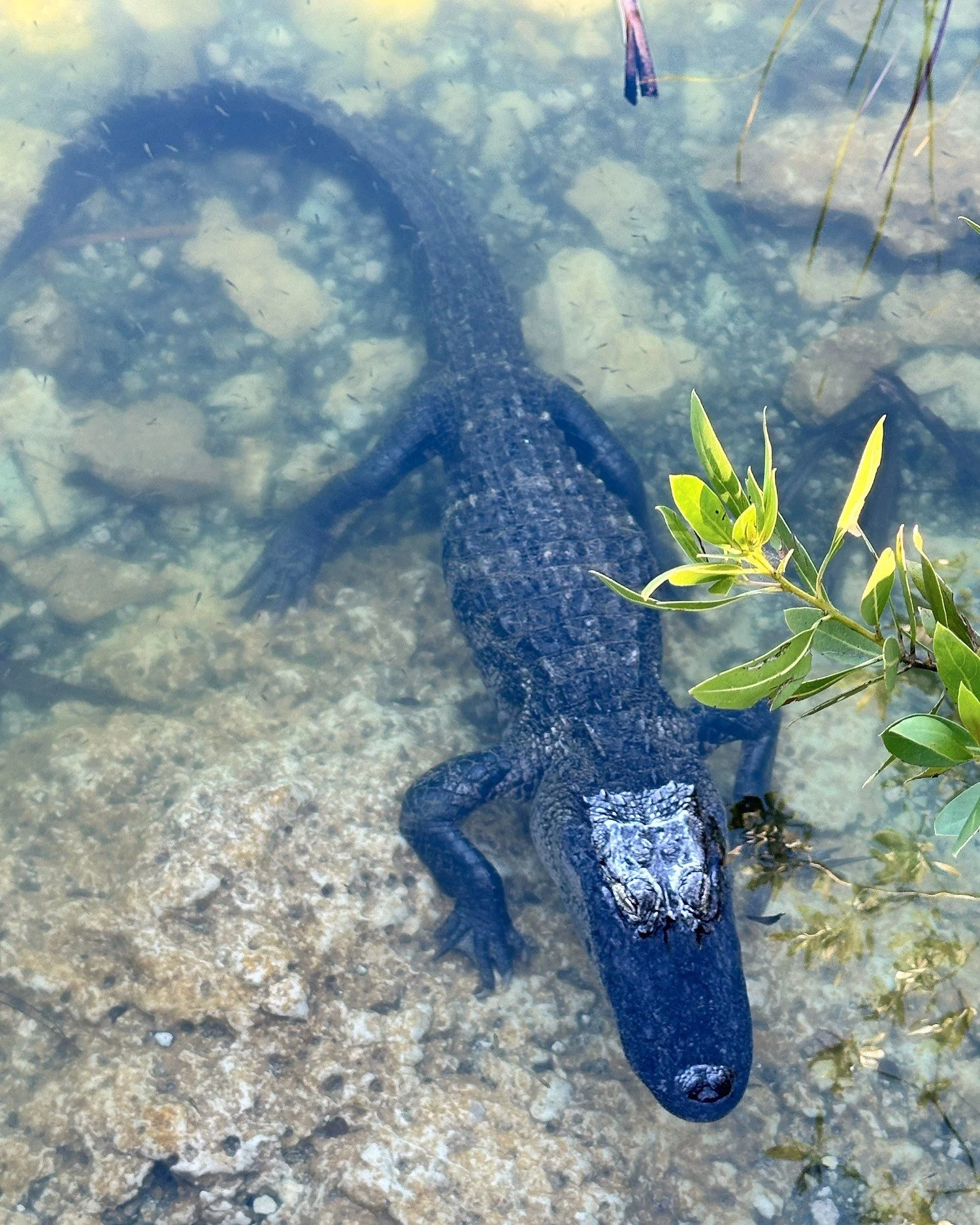
On the mainland, we spotted this alligator resting in clear water in the Everglades. According to the National Park Service, south Florida is the only place where American alligators and American crocodiles live side by side. Everglades National Park also contains the largest protected mangrove forest in the Northern Hemisphere. Always keep a safe distance from alligators and other wildlife.
Driving the Overseas Highway
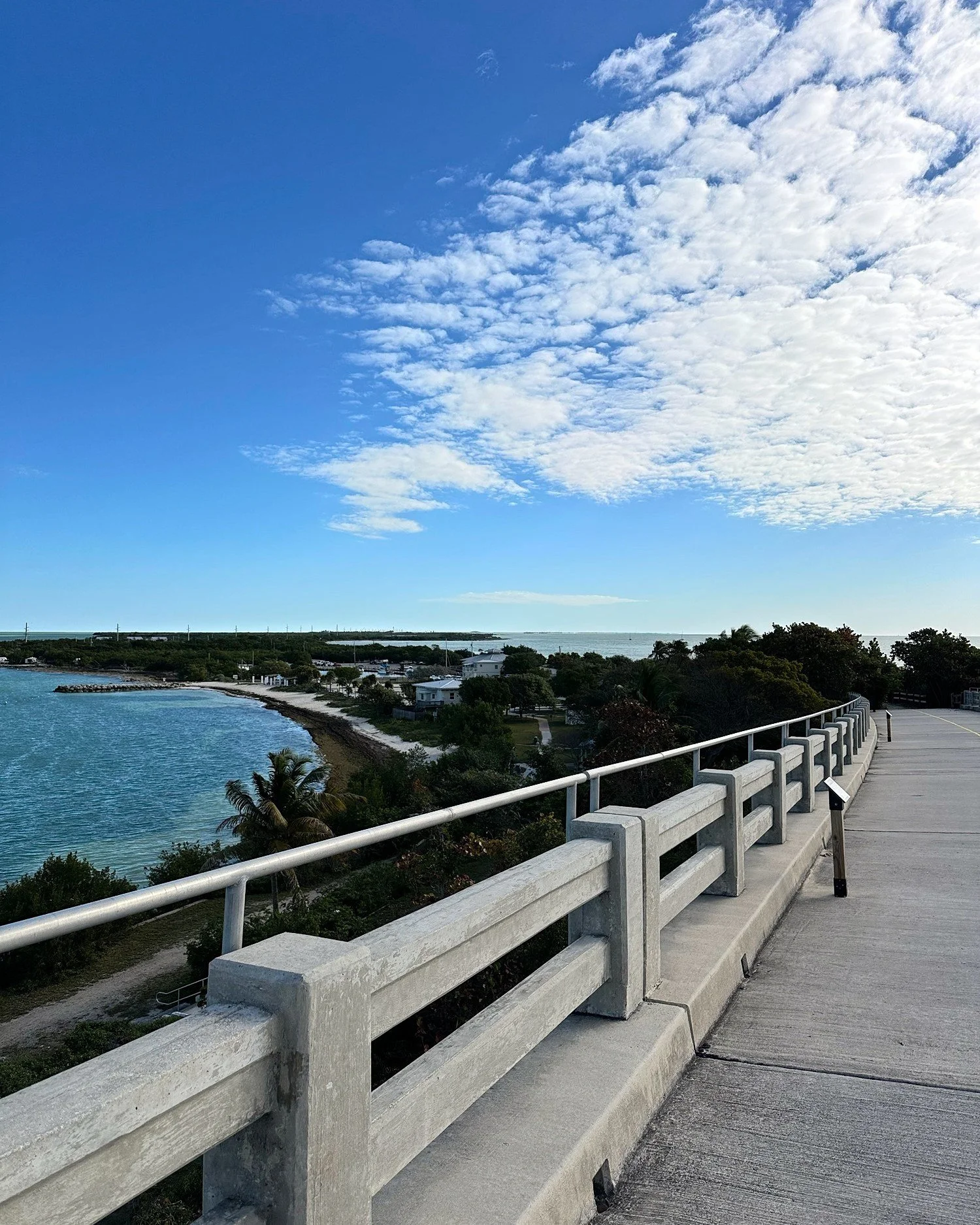
The southernmost stretch of U.S. 1 is often called the "Highway That Goes to Sea." According to the Florida Keys tourism council, the 113 miles of road from Key Largo to Key West cross 42 bridges over the Atlantic Ocean, Florida Bay and the Gulf.
The route follows the path of Henry Flagler's Over-Sea Railroad. Building it took about seven years, and the first train pulled into Key West in 1912. The railroad was badly damaged by the Labor Day hurricane of 1935, which Florida State Parks calls the most intense hurricane to make landfall in the United States. The railroad was sold to the state, and the Overseas Highway opened in 1938, built on a foundation that reused some of the original railroad spans.
Today, many of the old railroad bridges are part of the Florida Keys Overseas Heritage Trail, open to walkers and cyclists. In 2009, the highway became Florida's first All-American Road, the top designation for a U.S. scenic byway. Small green mile marker signs count down the miles along the way.
Our tip: Don't rush it. The drive is part of the vacation, so plan stops along the way instead of driving straight through.
Islamorada: Robbie's, Rain Barrel and Lower Matecumbe Key
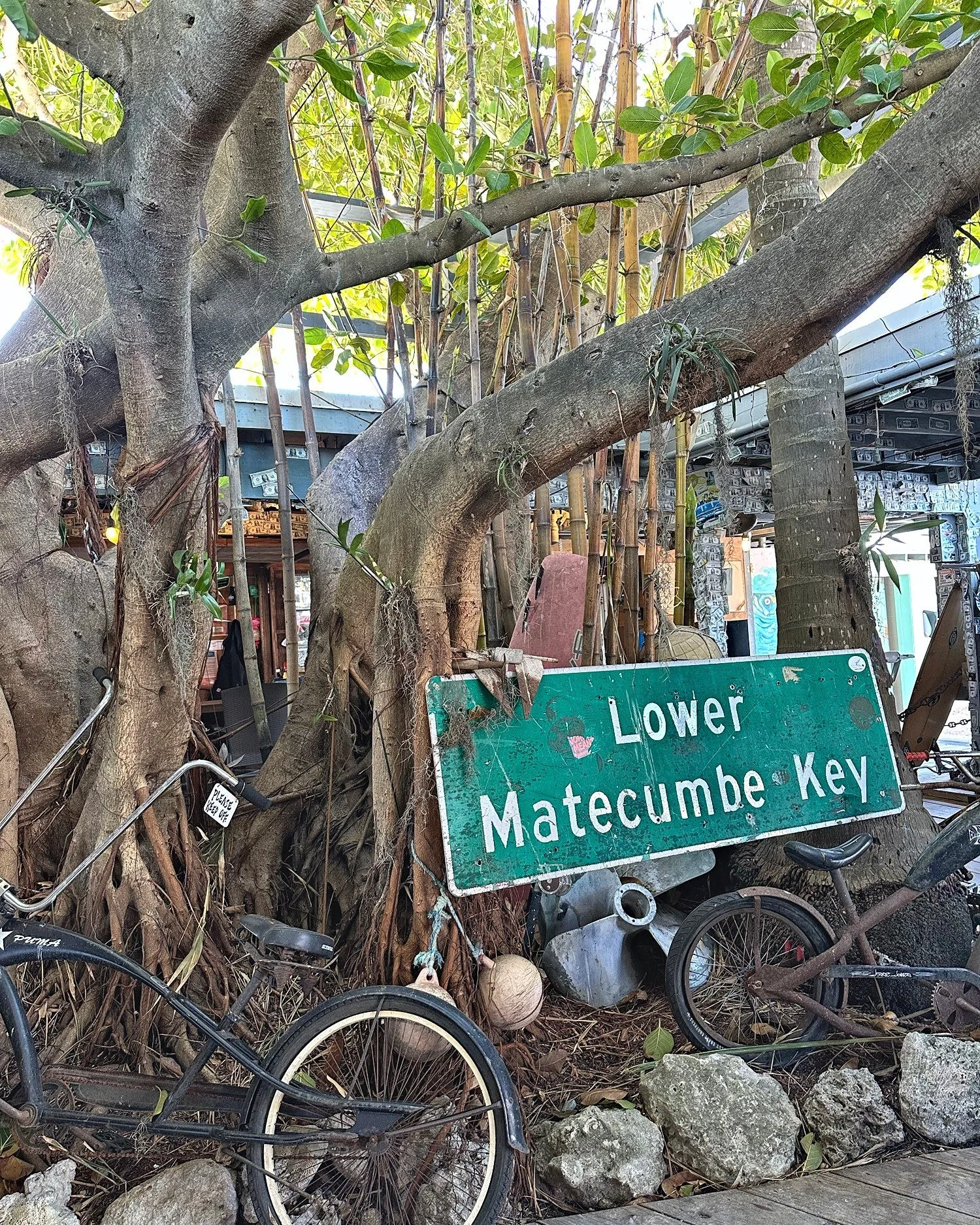
Islamorada, the "Village of Islands," is known as the Sport Fishing Capital of the World. The village includes Plantation Key, Windley Key, Upper Matecumbe Key and Lower Matecumbe Key, all connected by the Overseas Highway.
We made two classic Islamorada stops:
- Robbie's of Islamorada. Robbie's is famous for its tarpon. According to Robbie's, the tradition began in 1976, when Robbie and his wife, Mona, nursed an injured tarpon nicknamed Scarface back to health. Today, a school of more than 100 tarpon comes to the docks daily, and visitors can feed them by hand. It was too cold the day we stopped, and the tarpon weren't around, so we didn't get to feed them.
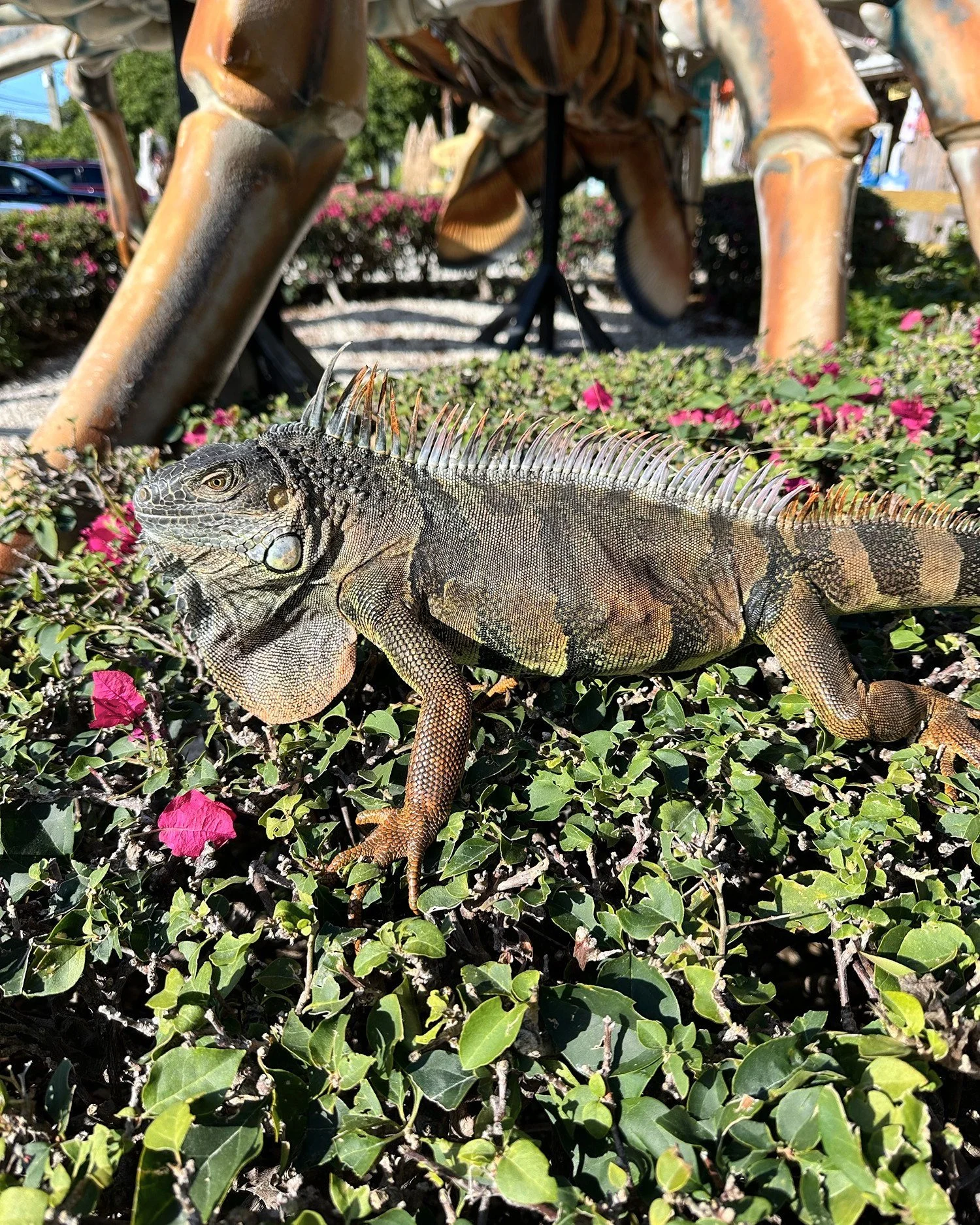
- Rain Barrel Village. This open-air artisan village has supported local artists since 1978. Out front sits Betsy, a fiberglass Florida spiny lobster about 30 feet tall and 40 feet long, who has greeted visitors here since 2009. We even spotted an iguana in the flowers nearby.
Marathon: The Turtle Hospital
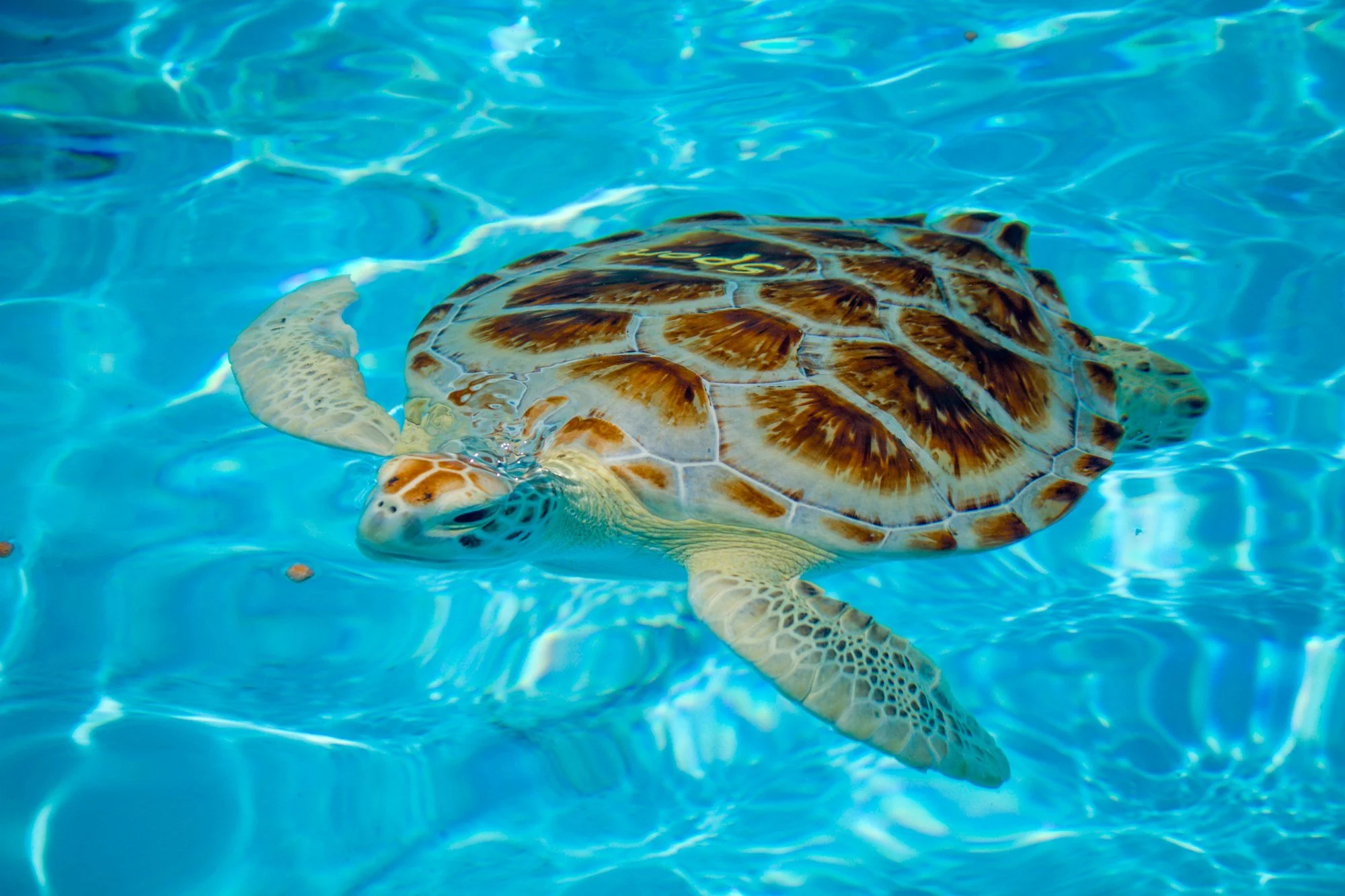
Photo: Tori Siebecker / Wikimedia Commons, CC BY-SA 4.0
In Marathon, we visited The Turtle Hospital, at mile marker 48.5 on the Overseas Highway. It opened in 1986 with a mission to rescue, rehabilitate and release injured sea turtles, and it has treated thousands of turtles since. The hospital treats problems like boat-strike injuries, entanglement in fishing gear and a disease called fibropapillomatosis, and it releases turtles as close as possible to where they were found. It also offers guided educational programs for visitors, which makes it a great stop for families.
Kayaking in the Mangroves
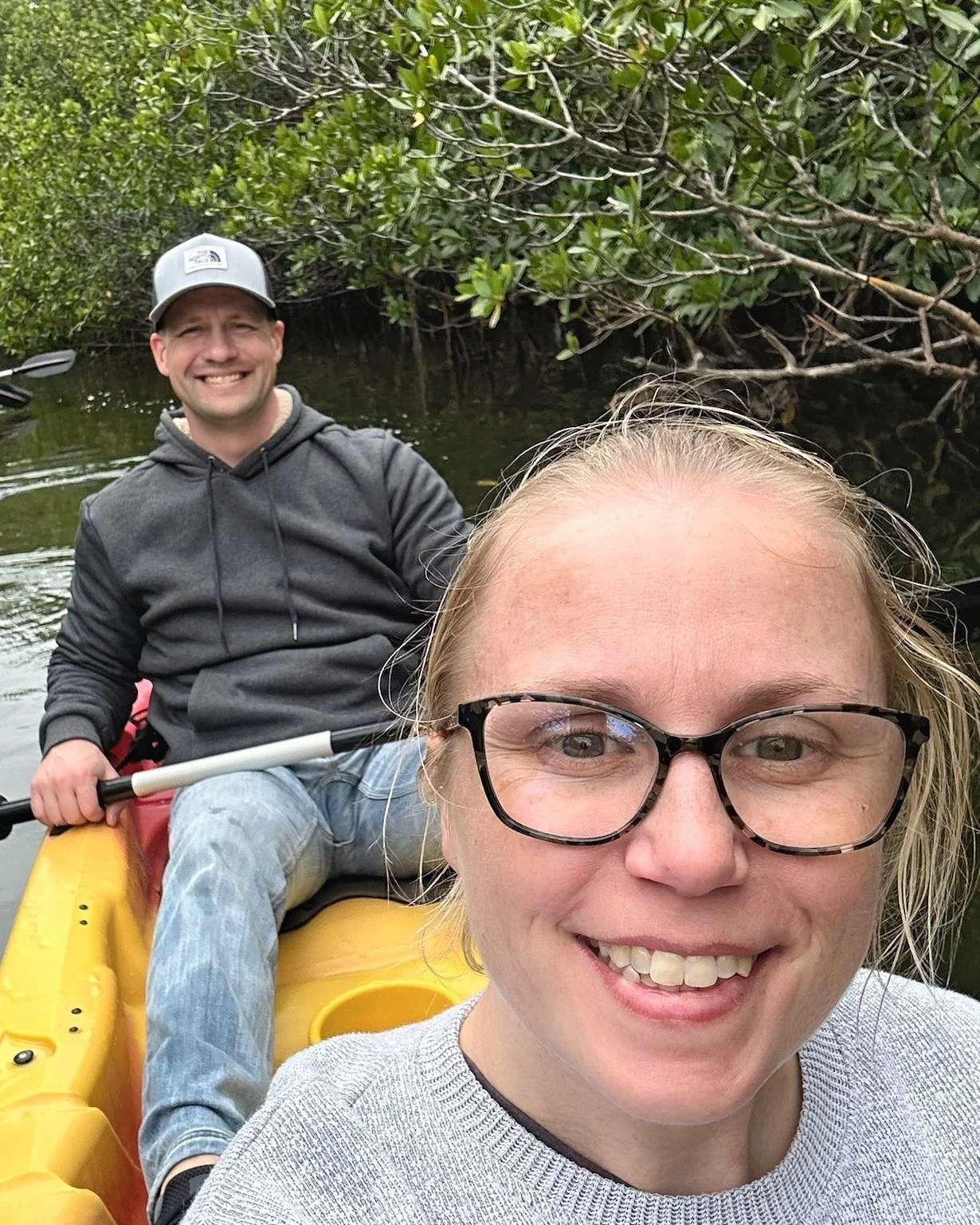
We also paddled through a tunnel of mangroves. Mangroves are salt-tolerant trees, and NOAA's Florida Keys National Marine Sanctuary says they line more than 1,800 miles of shoreline in the sanctuary. Their tangled roots are a nursery for young fish, and they help protect the shoreline from storms.
Kayaks, canoes and paddleboards are a great way to reach the Keys' shallow flats and narrow mangrove tunnels. Several state parks, including John Pennekamp, Long Key and Curry Hammock, have paddling trails. Check the tides and the weather before you go.
Key West: Butterflies and the Southernmost Point
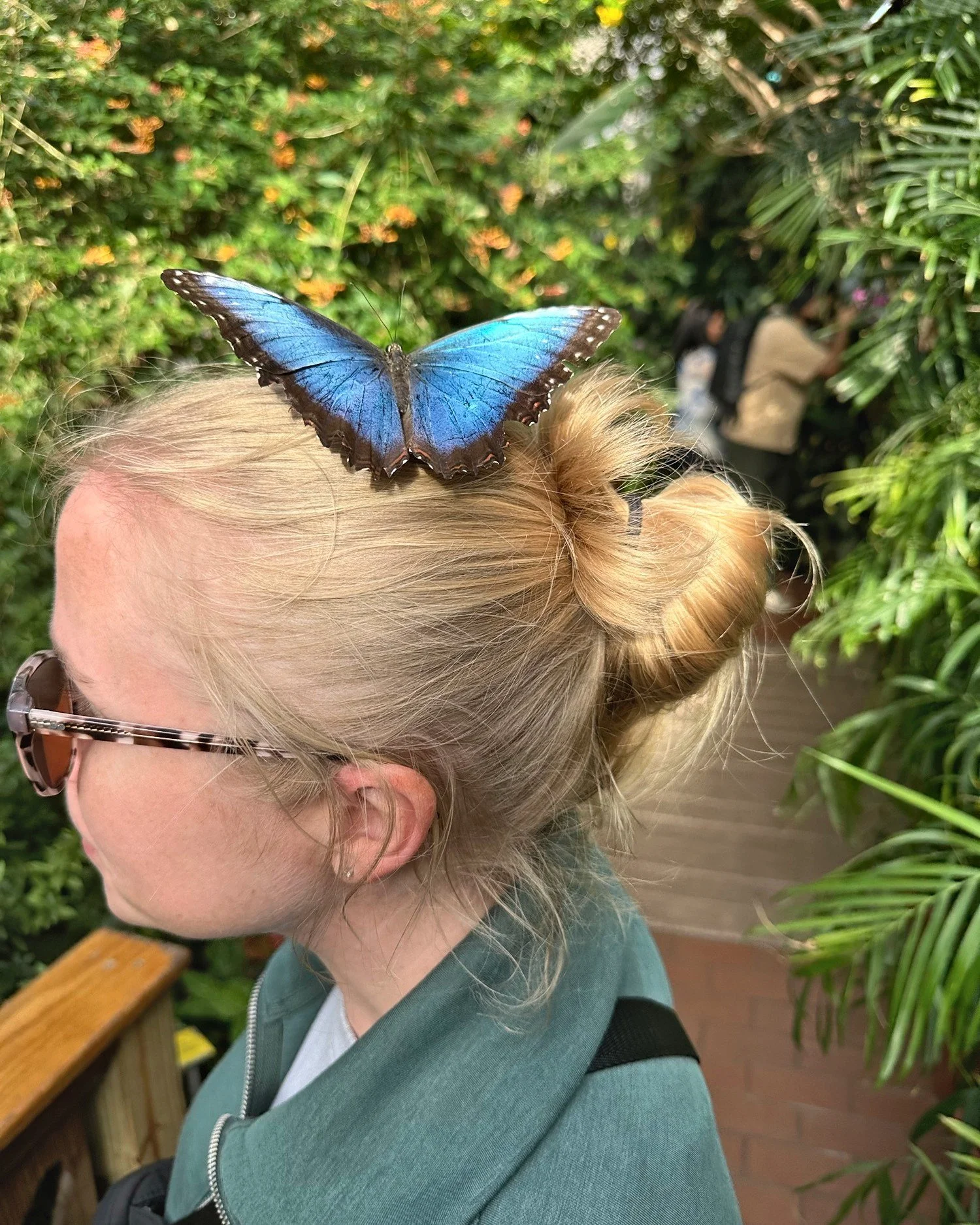
At the end of the road is Key West. We visited the Key West Butterfly & Nature Conservatory on Duval Street, where hundreds of butterflies from 50 to 60 species fly free under a glass dome, along with exotic birds and two flamingos. A blue morpho butterfly even landed on Ashley's hair.
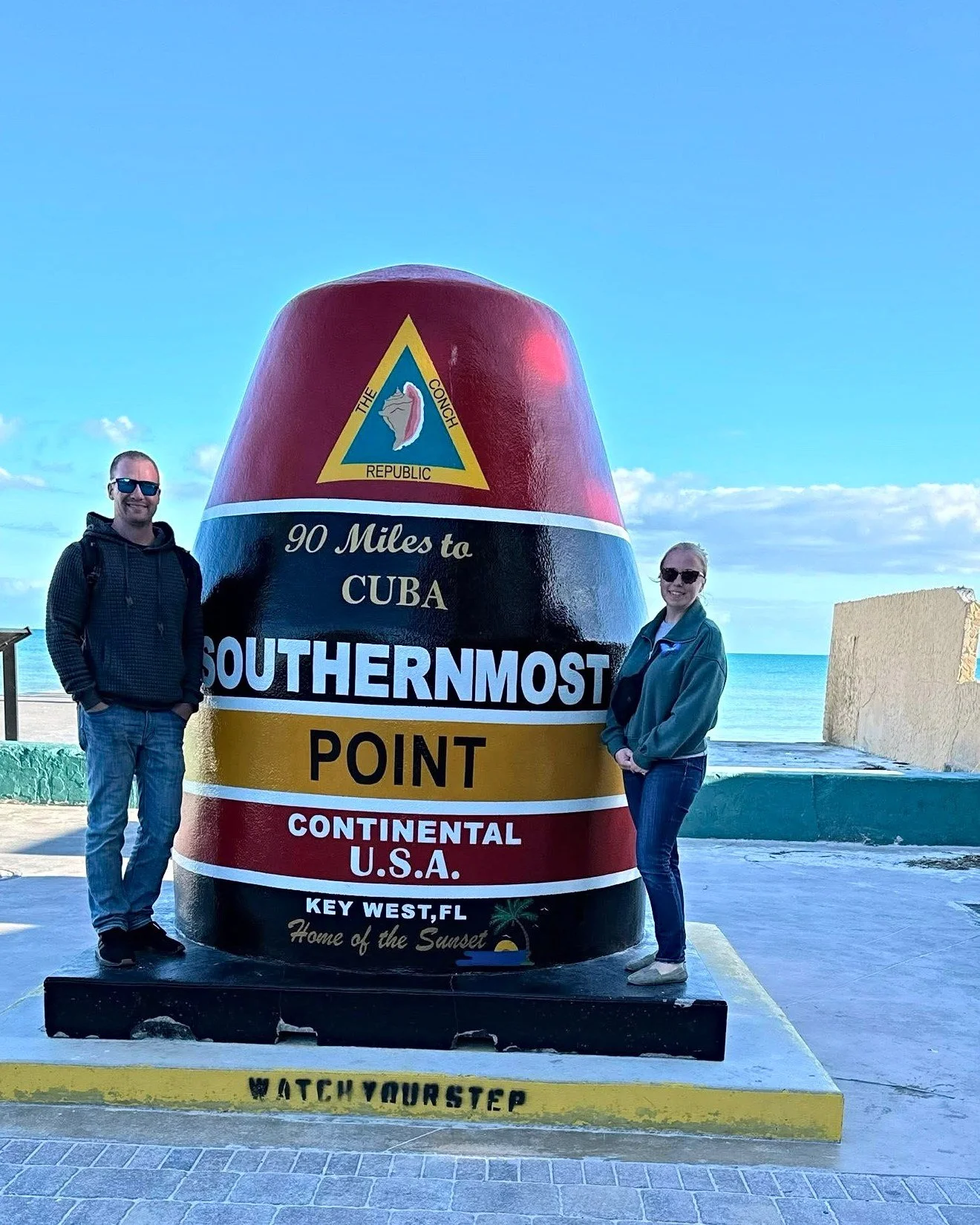
No trip to Key West is complete without a photo at the Southernmost Point. The City of Key West put up the big striped concrete buoy in 1983 to mark the southernmost point in the continental United States, just 90 miles from Cuba.
Key West is also a cruise port, with regularly scheduled cruise ships calling since 1969. Our Caribbean cruises guide covers choosing a route.
A Day at Dry Tortugas National Park
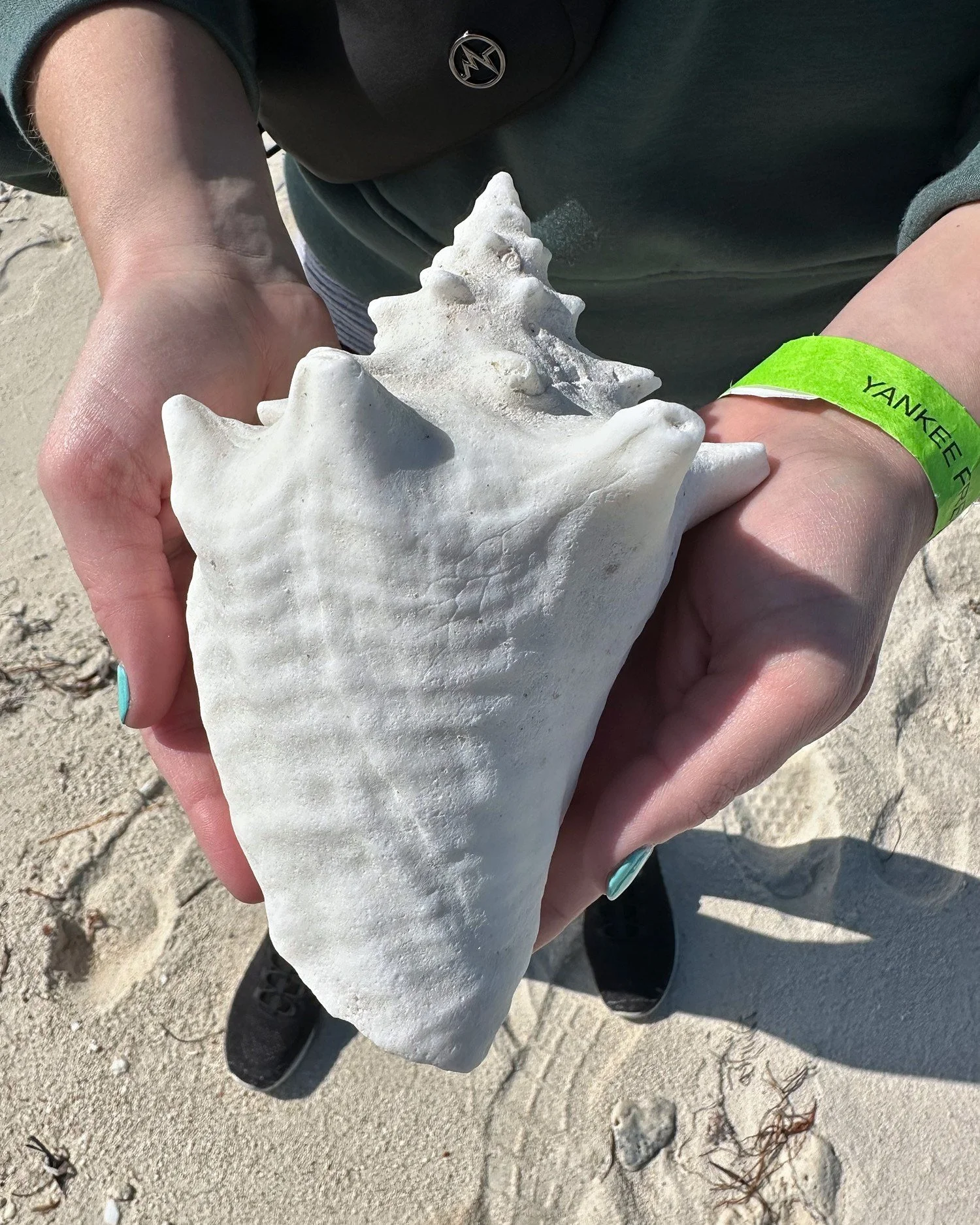
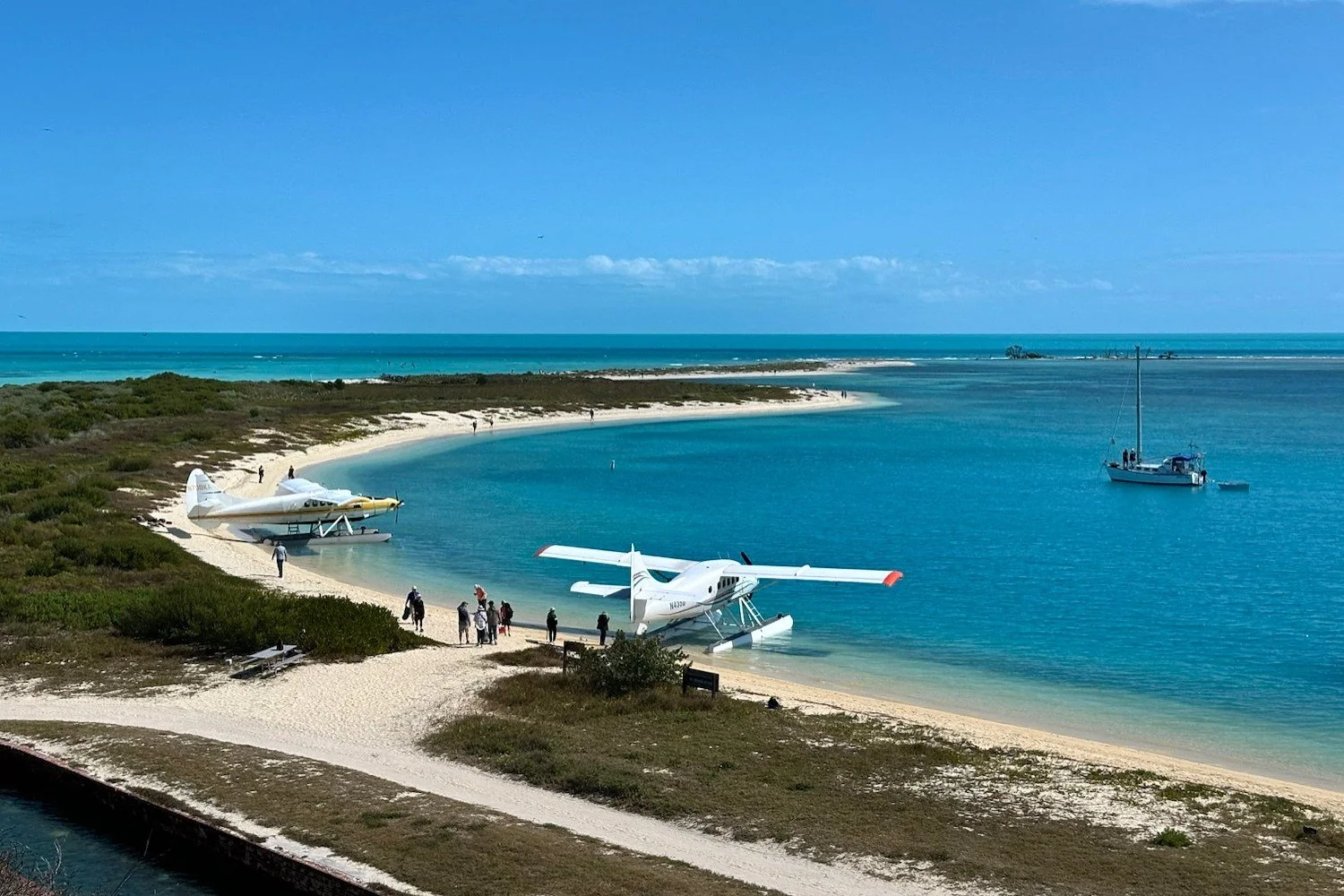
We spent a day at Dry Tortugas National Park, almost 70 miles west of Key West. The 100-square-mile park is mostly open water, with seven small islands. Less than 1% of the park is dry land. There are no roads or bridges to the park, so you arrive by ferry, seaplane or boat. We took the Yankee Freedom, the park's official ferry, a high-speed catamaran that runs day and camping trips from Key West. Ferry and seaplane visitors arrive at Garden Key, home of Fort Jefferson.
Spanish explorer Juan Ponce de León named these islands Las Tortugas, "The Turtles," in 1513 because of the many sea turtles he saw. Sailors later added "Dry" to warn that the islands have no fresh drinking water.
Fort Jefferson
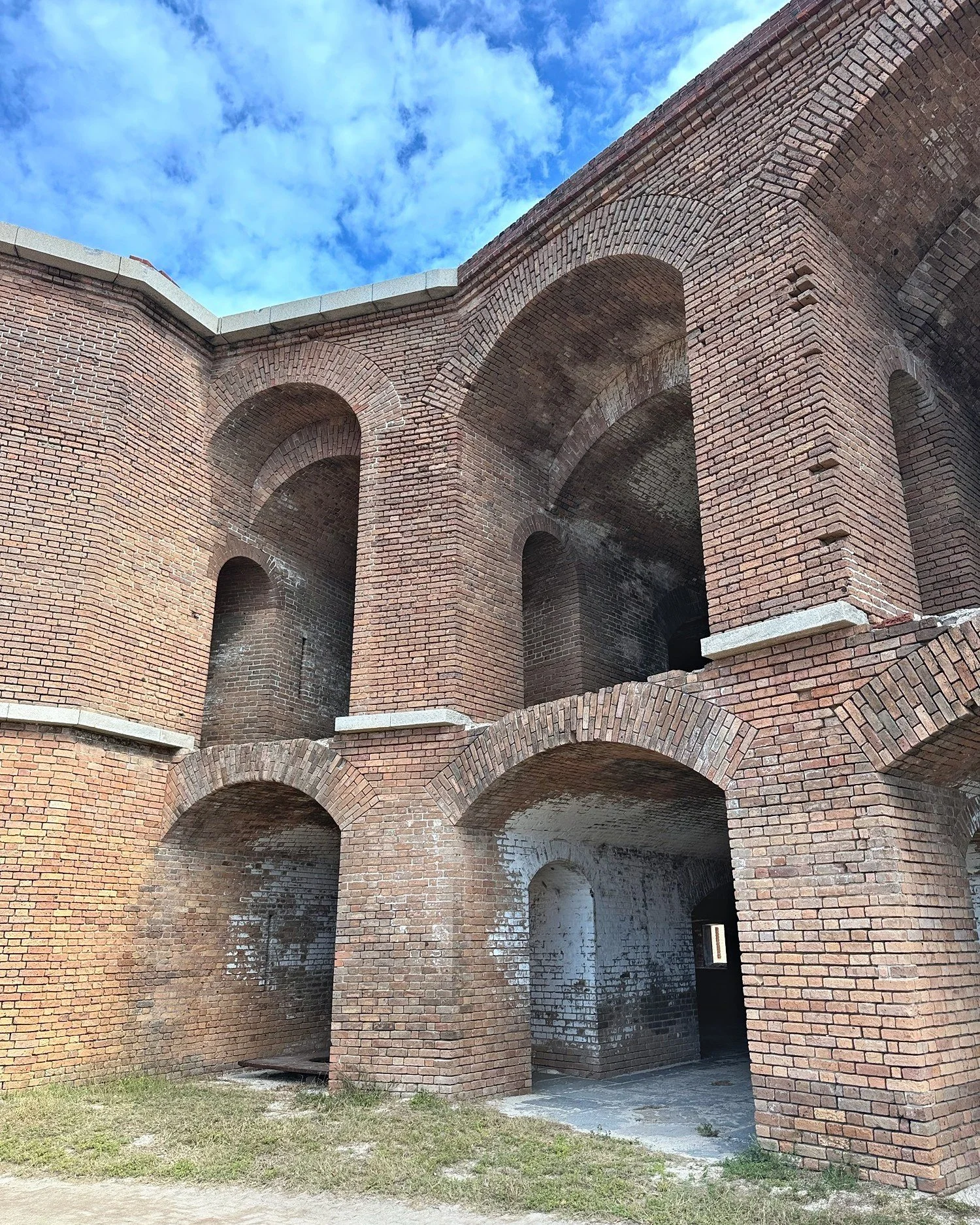
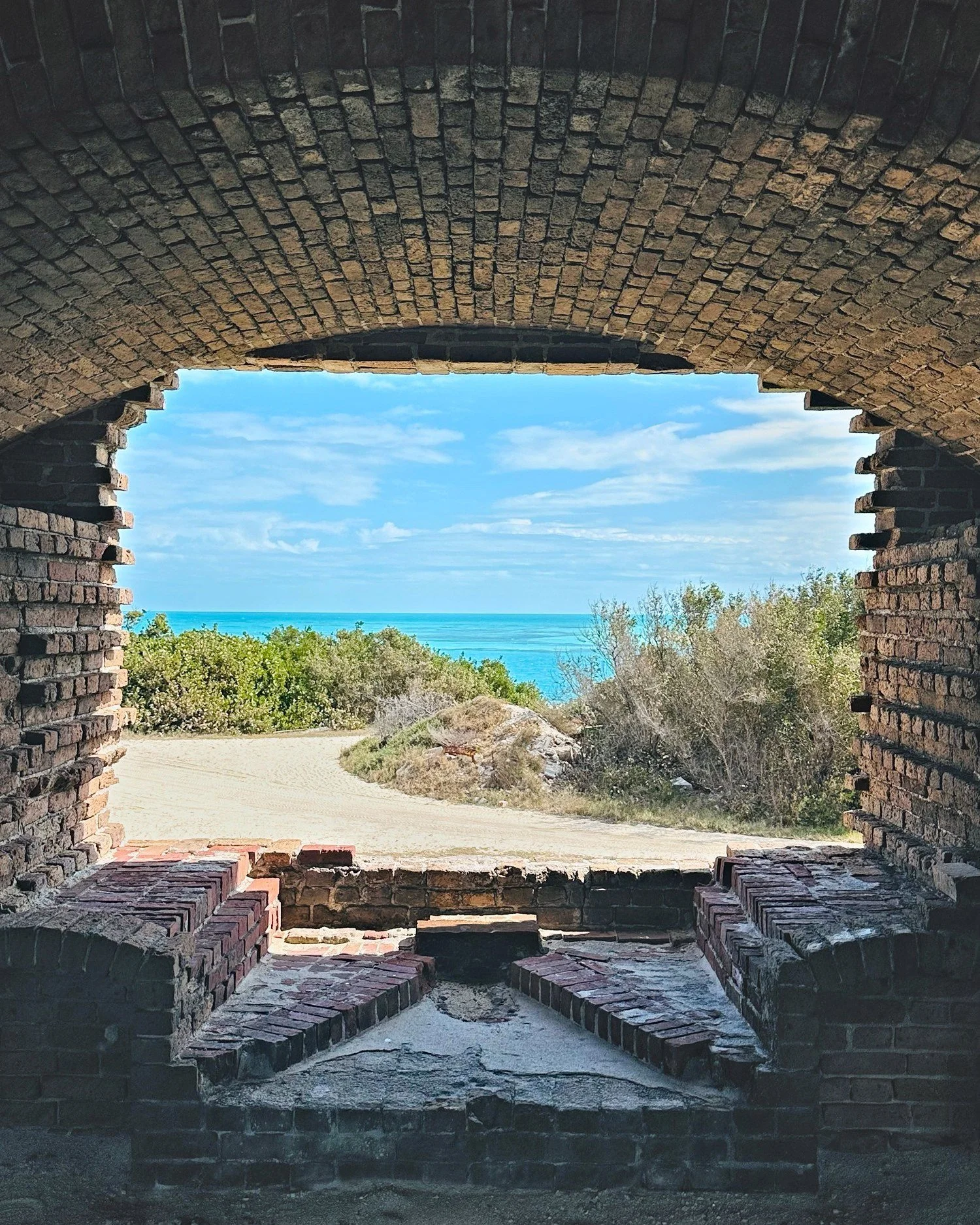
Fort Jefferson is the park's centerpiece and the largest masonry structure in the Americas, built from more than 16 million bricks. Construction lasted from 1846 to 1875, and the fort was never finished or fully armed. It was built to guard one of the most strategic deepwater anchorages in North America. During the Civil War, Union warships used its harbor to blockade Southern shipping, and the fort also served as a prison. Its most famous prisoner was Dr. Samuel Mudd, the physician who set John Wilkes Booth's broken leg.
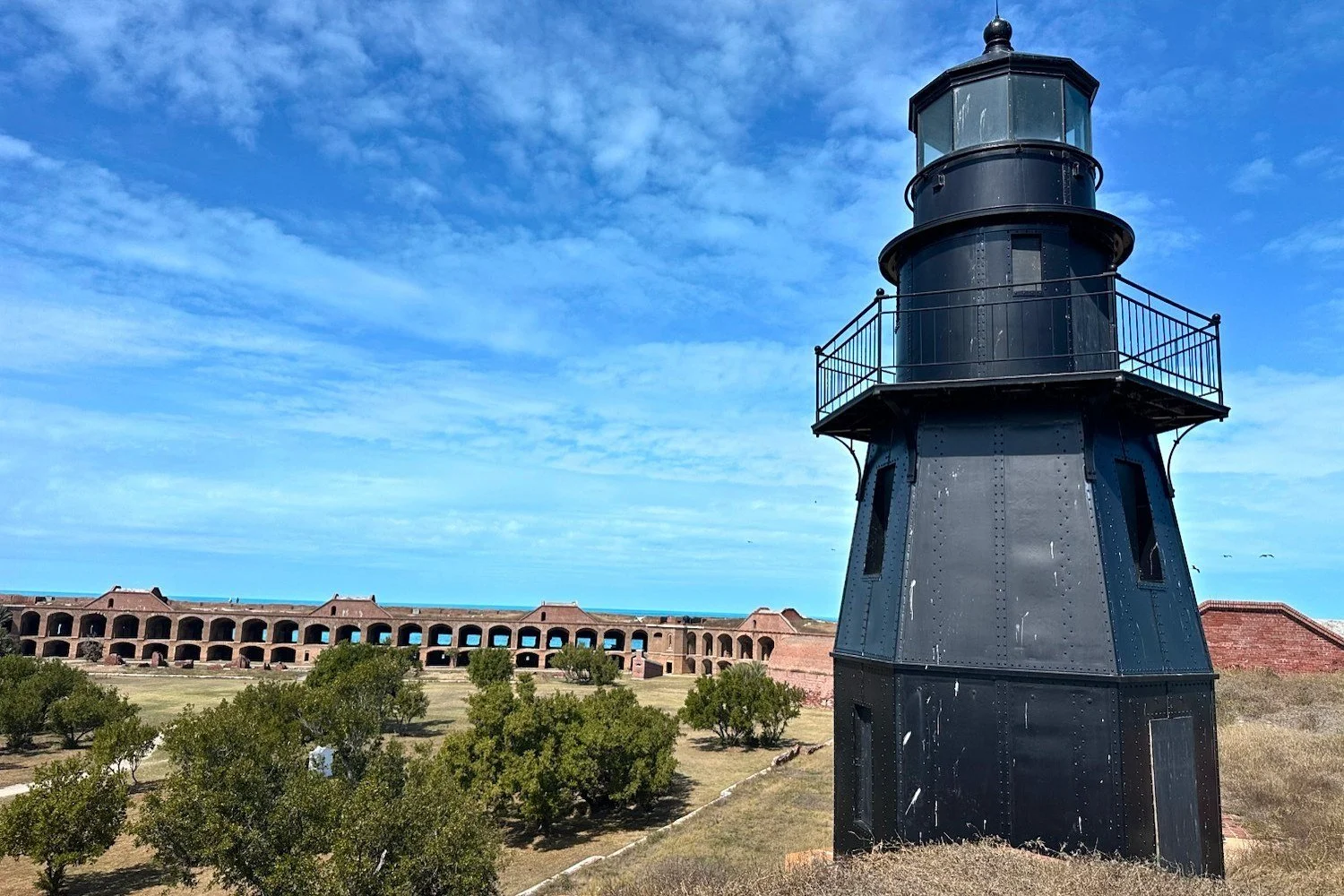
Up on the walls stands the black iron Tortugas Harbor Light, also called the Garden Key light, built on one of the fort's bastions in 1876. It replaced an 1825 brick lighthouse that stood where the fort's parade ground is now.

Things to do at Dry Tortugas:
- Explore Fort Jefferson's brick casemates and walk the top of the walls for views of the turquoise water.
- Swim and snorkel around Garden Key's coral reefs.
- Walk the beaches and watch the seabirds. Nearby Bush Key is an important nesting area for birds like brown noddies.
- Look out toward Loggerhead Key, the park's largest island.
Plan ahead: There's no food, drinking water, cell service or Wi-Fi on the island, so bring what you need. The National Park Service strongly recommends reserving the ferry ahead of time.
Planning Your Florida Keys Road Trip
- Give yourself time. Islamorada, Marathon and Key West each deserve a stop, and Dry Tortugas takes a full day.
- Book Dry Tortugas early. Reserve the ferry or a seaplane well ahead of your trip.
- Watch the weather. The Atlantic hurricane season runs from June 1 to November 30, according to NOAA's National Hurricane Center. Consider travel insurance if you travel during those months.
Traveling with family or a group? A Keys road trip is easy to plan for families and friends, with lots of stops for every age. Our group and family vacations page explains how Ashley plans trips for groups.
Is a Florida Keys Road Trip Right for You?
If you love turquoise water, history, wildlife and the freedom of the open road, a Miami to Key West road trip is hard to beat, and a day at Dry Tortugas makes it unforgettable. Prefer an island resort or a cruise? Our Caribbean all-inclusive vacations guide and our family Caribbean cruises post are great next reads.
At Simply Travel by Ashley, Ashley Muhlenkamp's planning services are completely free to you, with no hidden fees. Tell us about your trip to get started.
Florida Keys Road Trip FAQ
How long is the drive from Key Largo to Key West?
The Overseas Highway runs about 113 miles from Key Largo to Key West and crosses 42 bridges. Plan extra time for stops along the way.
How do you get to Dry Tortugas National Park?
Dry Tortugas National Park is almost 70 miles west of Key West, with no roads or bridges. You can reach it only by ferry, seaplane, private boat or a permitted charter. The Yankee Freedom ferry, the park's official ferry, runs day and camping trips from Key West.
What is Fort Jefferson?
Fort Jefferson is a 19th-century coastal fort on Garden Key in Dry Tortugas National Park. Built from 1846 to 1875 with more than 16 million bricks, it is the largest masonry structure in the Americas and was never finished.
Why is it called the Dry Tortugas?
Ponce de León named the islands Las Tortugas, "The Turtles," in 1513 for their many sea turtles. Sailors later added "Dry" because the islands have no fresh drinking water.
Is there food and water at Dry Tortugas?
There are no restaurants, stores or drinking water on the islands, and there is no cell service. Bring what you need, and check what your ferry or seaplane trip includes.
Can you feed the tarpon at Robbie's in Islamorada?
Yes. Robbie's of Islamorada is known for its tarpon, and visitors can hand-feed the school of tarpon that gathers at its docks.
What is the Southernmost Point in Key West?
The Southernmost Point is a striped concrete buoy the City of Key West installed in 1983 to mark the southernmost point in the continental United States, 90 miles from Cuba.
When is hurricane season in the Florida Keys?
The Atlantic hurricane season runs from June 1 to November 30, according to NOAA's National Hurricane Center.
Let's Plan Your Florida Keys Getaway
Ready to plan your own road trip, family vacation or cruise? Fill out the "Let's Plan Your Vacation!" form on our homepage, call (419) 852-4445, or email simplytravelbyashley@gmail.com. Ashley's planning services are free, and she's available Monday through Friday, 9:00 AM to 4:00 PM Eastern.